Appointment scheduling automation gives service businesses a documented way to win back appointments that would otherwise go missing. In a UAE primary-care network, no-shows fell from 20.82% to 10.25% after automated risk scoring and outreach went live (JMIR before-and-after study, 2025). Missed appointments cost UK salons up to 20% of revenue (Professional Beauty survey), so price the loss first, then decide how much of it you can recover.
What follows is the cost side, the evidence for the recovery side, and one line of arithmetic to size your own exposure. If you have not ranked the work yet, start with our guide to which business processes to automate first.
How common missed appointments are in service businesses
The clearest data comes from healthcare, and it is worse than most owners expect. A systematic review of 105 studies put the average no-show rate at about 23% (Dantas et al., Health Policy, 2018). The range ran from 43.0% in African studies to 13.2% in Oceania, and long lead times and a patient’s own no-show history were the two strongest predictors. Treat that 23% as healthcare-derived context; it is not a service-business benchmark.
The UAE baseline is recent and specific. Emirates Health Services handles over 140,000 visits a month, and its primary-care centres recorded 20.82% no-shows across 67,429 appointments booked between July and September 2022 (JMIR Formative Research). UAE dental research puts the figure for dental appointments at 22.5% (Ajman University study record). A paediatric clinic trial started from an overall no-show rate of 30.8% (randomised controlled trial).
The trend is not helping. About one medical group in three (32%) reported higher no-show rates in 2026 than in 2025, while 58% reported about the same (MGMA Stat poll, 2026). Outside clinics, Fresha counted more than 3 million appointments booked between May and August 2024. Of those, 3.8% never turned up, over 100,000 missed bookings (Professional Beauty analysis).
Read that 3.8% with care. It is a share of booked appointments over one peak-summer window on one platform, not an annual average for a small business. The same data splits by category: barbershops 21.16%, brows and lashes 6.55%, beauty 3.59%, nails 3.55% and hair 3.16% (same analysis). Across that window the analysis put losses at an estimated £2.6 million, reported as £2,638,277.60 (Professional Beauty analysis).
What a no-show costs you, appointment by appointment
Two figures decide whether this is a rounding error or a strategy problem: the share of revenue that leaves with the customer, and the value of one missed slot. Hair and beauty businesses lose almost 7% of monthly revenue to cancellations and no-shows; health and wellness businesses lose 6% (Professional Beauty survey). UK salons lose up to 20% of revenue, and booking platform Fresha reports the same 7% and 6% split from its own data (Fresha cancellations study).
The loss skews by owner age. The same survey puts owners aged 35 to 44 at about 8% of monthly revenue, double the rate for owners aged 45 and over (Professional Beauty survey).
At slot level the UAE numbers are easier to act on. Missed dental appointments cost a dental clinic an average of AED 800, about USD 220, per day (Ajman University). The Emirates Health Services network estimates that its no-shows imply a 3% to 14% revenue loss (JMIR Formative Research).
Price your own loss before you price a tool. Our guide to where automation starts and what it costs shows how to build that case against the processes you already run.
What appointment scheduling automation changes
Three published interventions point the same way, and each one measured a different part of the booking workflow.
The UAE network saw no-shows fall by 50.7%. After automated risk scoring and coordinator outreach launched, no-shows dropped from 20.82% to 10.25% across 135,393 appointments (JMIR Formative Research, 2025). The odds ratio was 0.43 (95% CI 0.42 to 0.45; P<.001) and average patient wait fell by 5.7 minutes. The design is before-and-after with no control group, a limitation the authors state themselves, so the fall is what that network observed after implementation.
A randomised trial moved the rate by 14.6 points. Text-message reminders cut the no-show rate to 23.5% in the reminder arm against 38.1% in the control arm (P=.04; randomised controlled trial).
One GP surgery cut missed appointments by 42.8%. Missed appointments fell from 5,848 to 3,343 after a text-messaging system went in (P<.001; Journal of Medical Internet Research, 2024). The authors caution against generalising from a single practice, so treat it as a worked example with a stated limit.
All three paired automation with a person. The UAE network combined risk scoring with coordinator outreach, and both clinic studies ran on messages the system scheduled and the customer answered. That pairing is the part to reproduce.
Where the evidence stops
We will say where this piece is thin. None of our sources runs a controlled trial of reminder or booking automation outside healthcare, so the causal evidence above is clinical. Salon, spa and barber figures come from trade-press surveys and booking-platform data, and we have labelled them as such.
The UAE result carries the caution of its own design: before-and-after, no control group. For a clinic, a studio or a field team, the honest test is your own baseline. Measure it in the quarter before you switch the automation on, and again in the quarter after.
Six parts run behind every booked appointment
Each part covers a moment where an appointment can go missing.
- Booking belongs to the customer. They pick the slot themselves, on the page or in the message they already opened.
- Confirmation is immediate. The system confirms the moment the booking lands, so nobody waits for a reply.
- Reminders run on schedule. A message goes out ahead of the appointment, which is the piece the clinic studies measured.
- Rescheduling stays self-service. The customer moves the booking, so a changed plan keeps the slot on the calendar.
- No-show recovery works the missed slot. When someone does not arrive, the system offers the freed time to the next person waiting.
- Capacity fill closes the gaps. Open slots surface to customers who want them before the day begins.
Work out your own no-show exposure
One line of arithmetic sizes this for your business: appointments a day, times your no-show rate, times average revenue per appointment, times working days a year. Take an illustrative clinic running 25 appointments a day, a 15% no-show rate, AED 300 per appointment and 250 working days. That comes to AED 281,250 a year in appointments that never arrive. The inputs are ours, built for the example, so swap in yours.
Apply what the UAE network observed, and that illustrative loss falls by about AED 142,600. The figure is arithmetic on our example, not a study result or a forecast, and the network’s 50.7% drop came from a design with no control group. Your own reduction will depend on where your rate starts and how consistently the workflow runs.
Put your number on the page first. The wider case for automation follows the same order, which is where our piece on how automation drives profitability picks up.
Why customers now expect online booking
The category is scaling because the expectation is now standard. Appointment scheduling software ran from USD 554.11 million in 2025 to USD 636.23 million in 2026 (Precedence Research). The same forecast reaches USD 2,206.84 million by 2035, a compound annual growth rate of 14.82%.
Demand sits underneath that growth: 58% of millennials and 64% of Gen X say online booking matters when they choose a service provider (appointment scheduling statistics). Booking is one touchpoint among several, and the case for consistency across all of them is in our guide to overcoming omnichannel retail challenges.
Questions worth settling before you automate
How much does appointment scheduling automation cost?
None of our sources publishes a list price, so there is no honest figure to give you here. What they do publish is the size of the loss and the size of the category, and both set your ceiling. Work out your exposure first, then judge any quote against that number.
Is 3.8% a no-show rate worth chasing?
Set your own baseline first, because 3.8% is one platform’s count of booked appointments over May to August 2024. The same data puts barbershops at 21.16% and hair at 3.16% (Professional Beauty analysis). The useful comparison is your own last quarter against the quarter after you switch the automation on.
Do reminders work outside healthcare?
Our controlled evidence is clinical: a randomised trial in a paediatric clinic, plus a single GP surgery case study. Outside healthcare, our sources offer survey and platform data on how common no-shows are, and nothing controlled on what fixes them. Run it as a pilot against your own baseline, then keep or drop it on your own numbers.
Take one step from this piece: run your exposure sum, then streamline your processes with automations and workflows around the number it gives you.
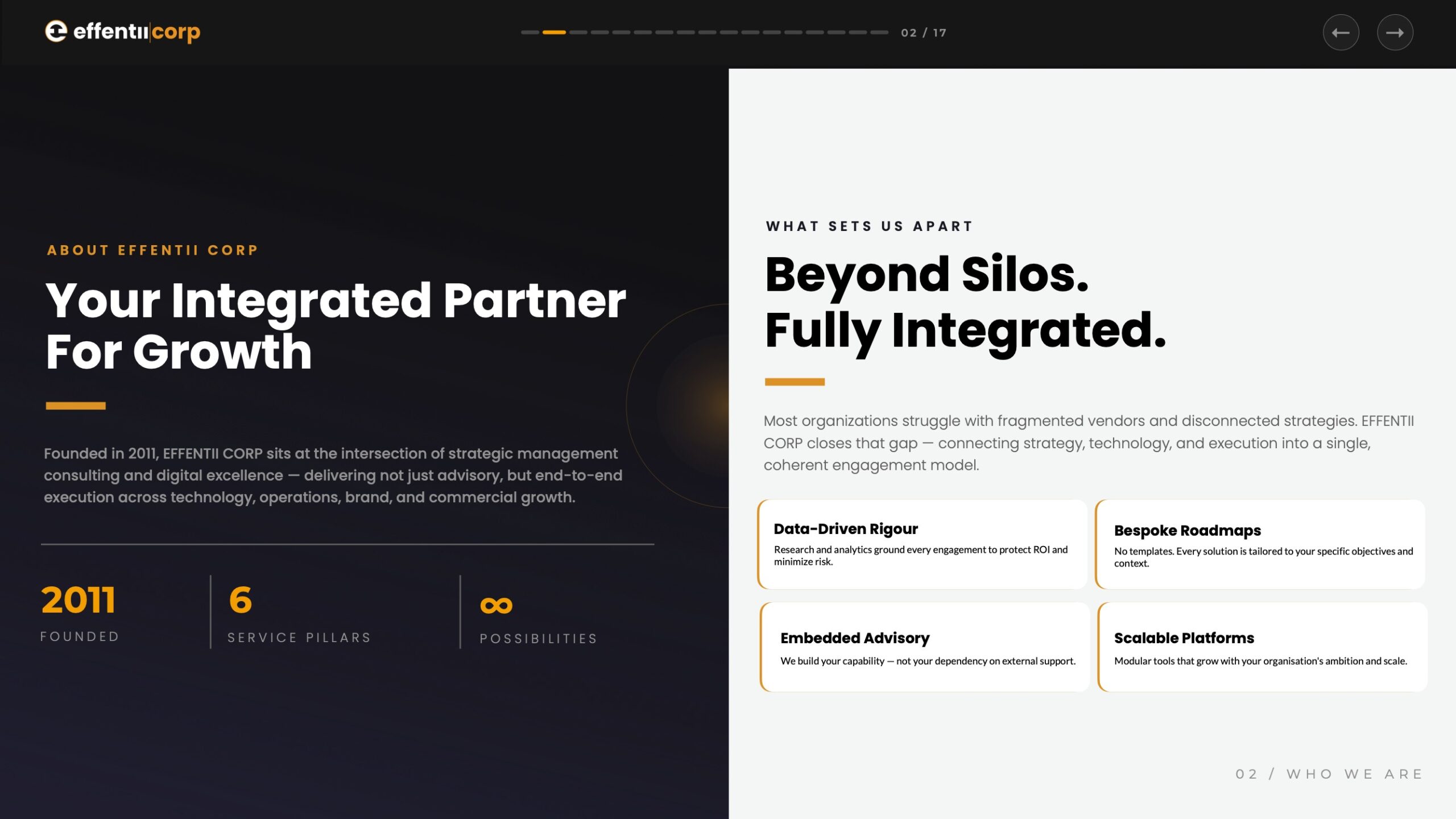
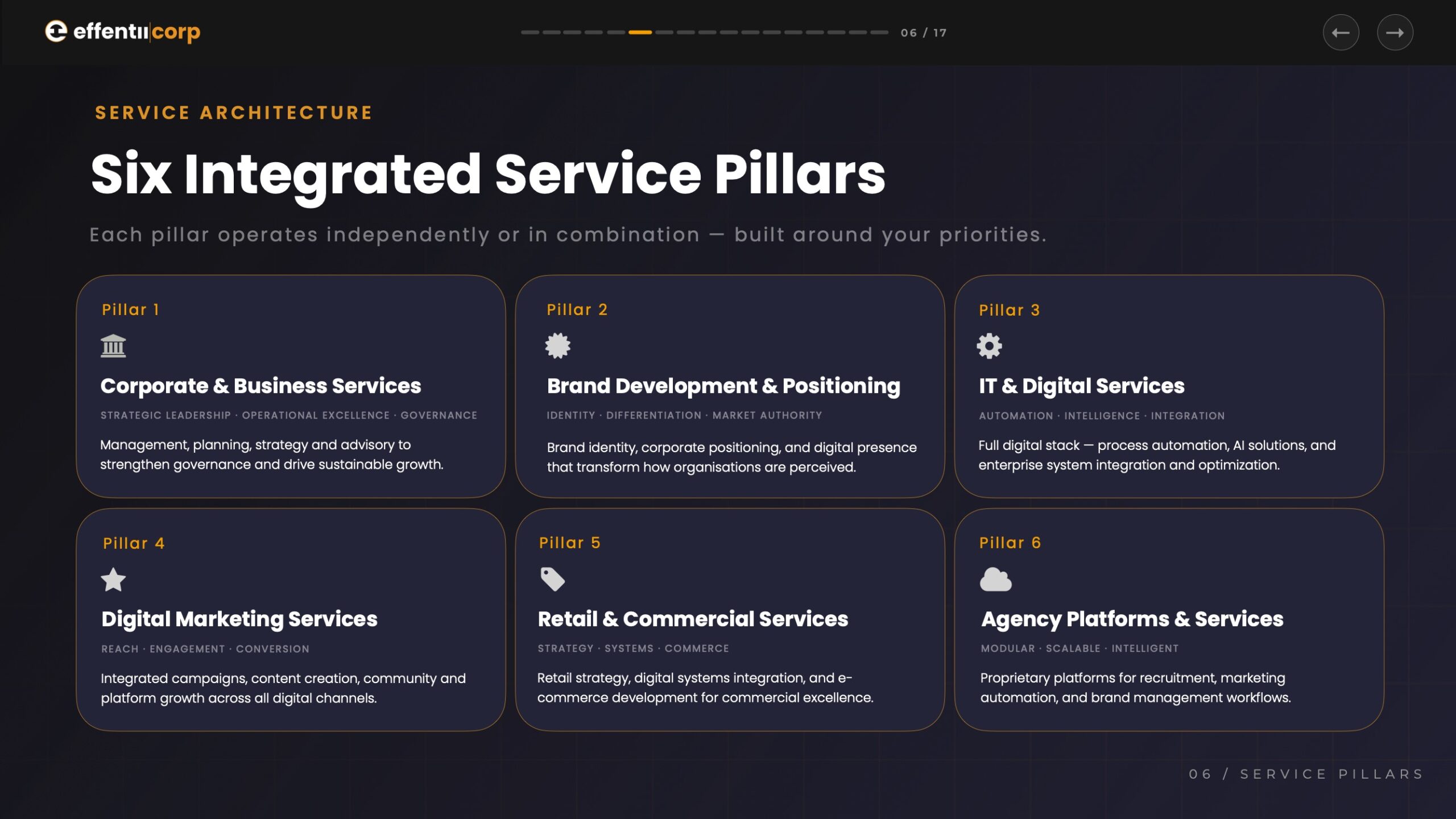
We build the booking workflow with your team, measure the no-show rate before and after, and hand it back running. The work sits across our six integrated service pillars, and the goal is to make ourselves redundant, which is how EFFENTII works.