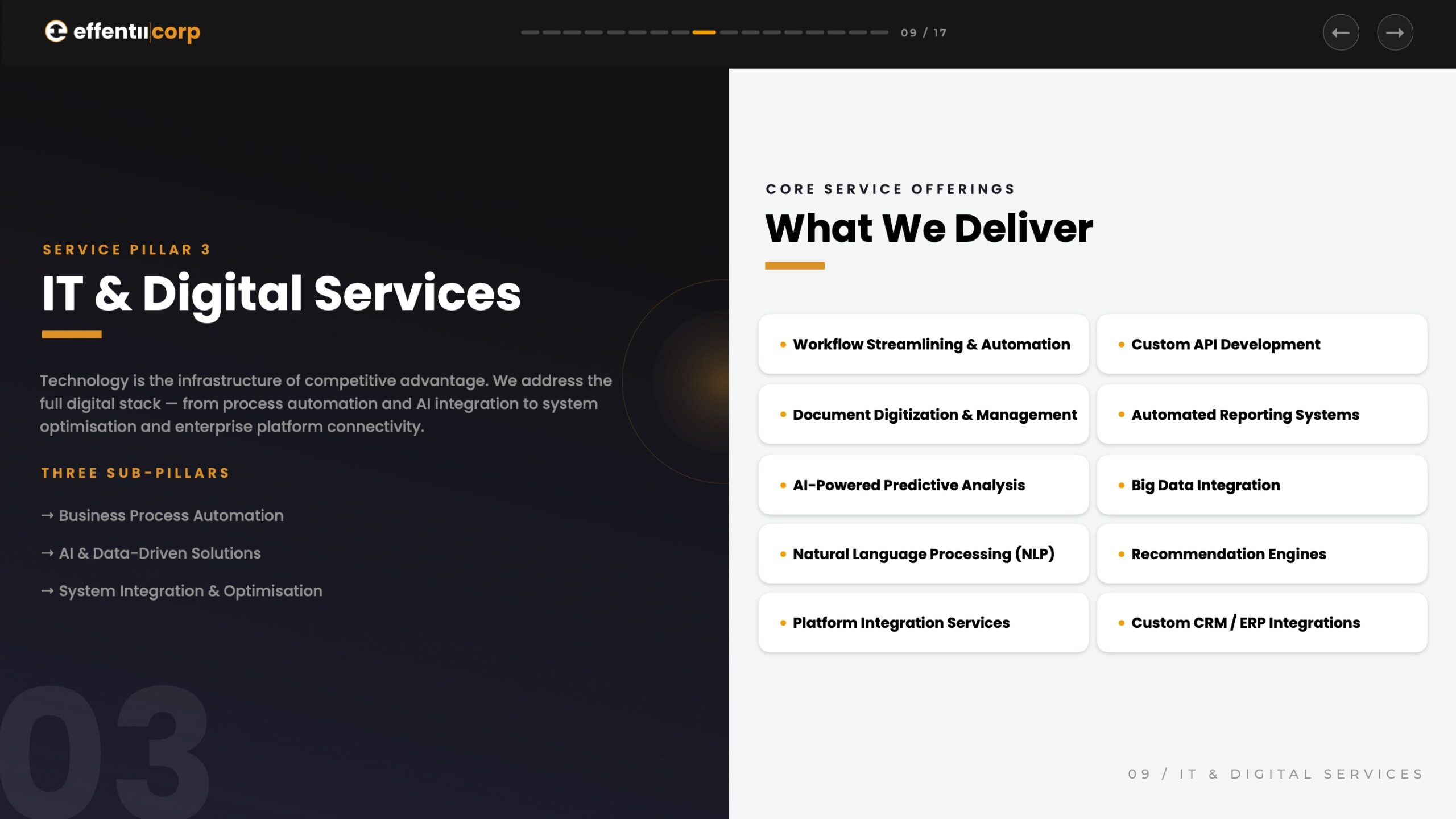
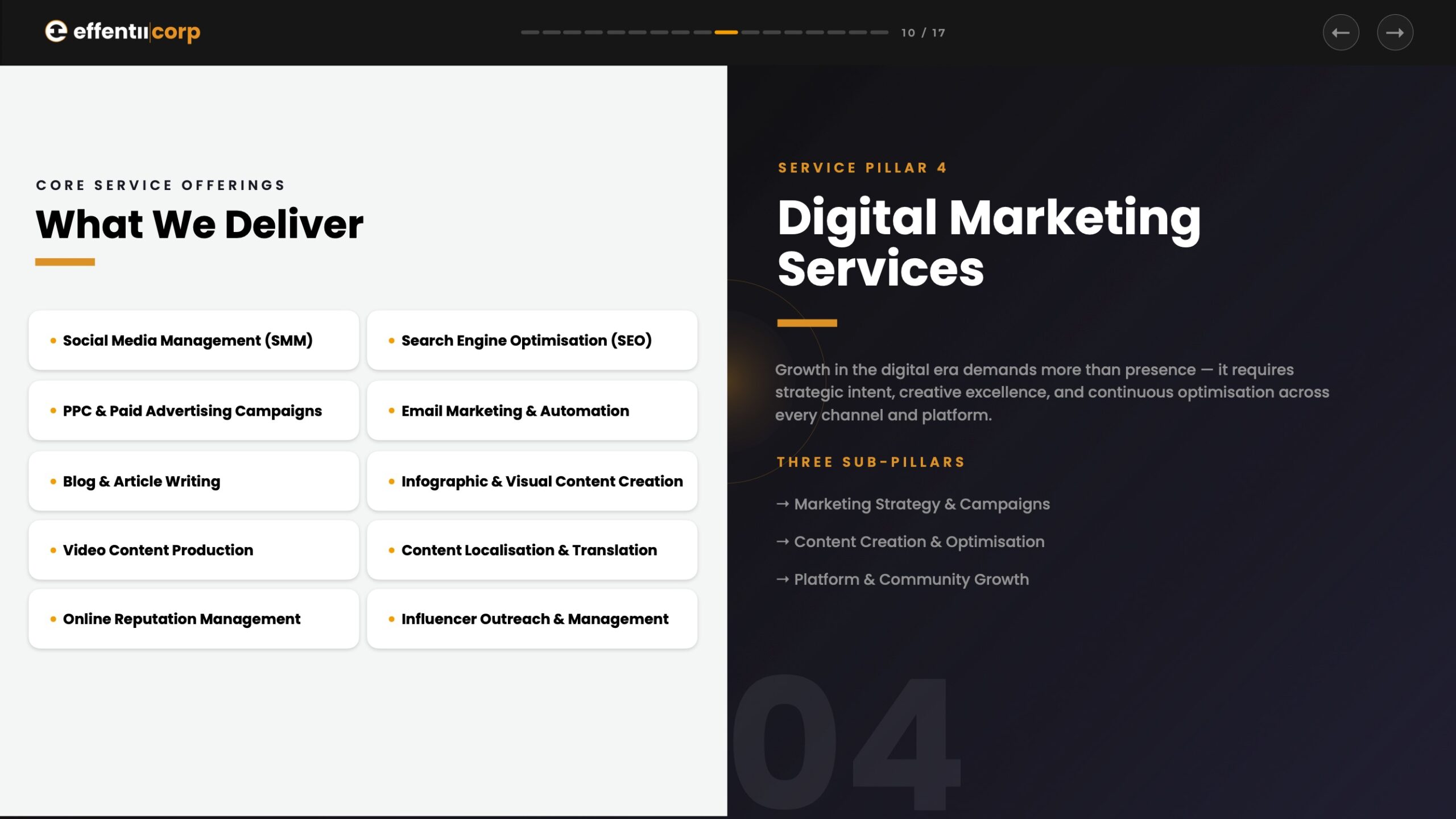
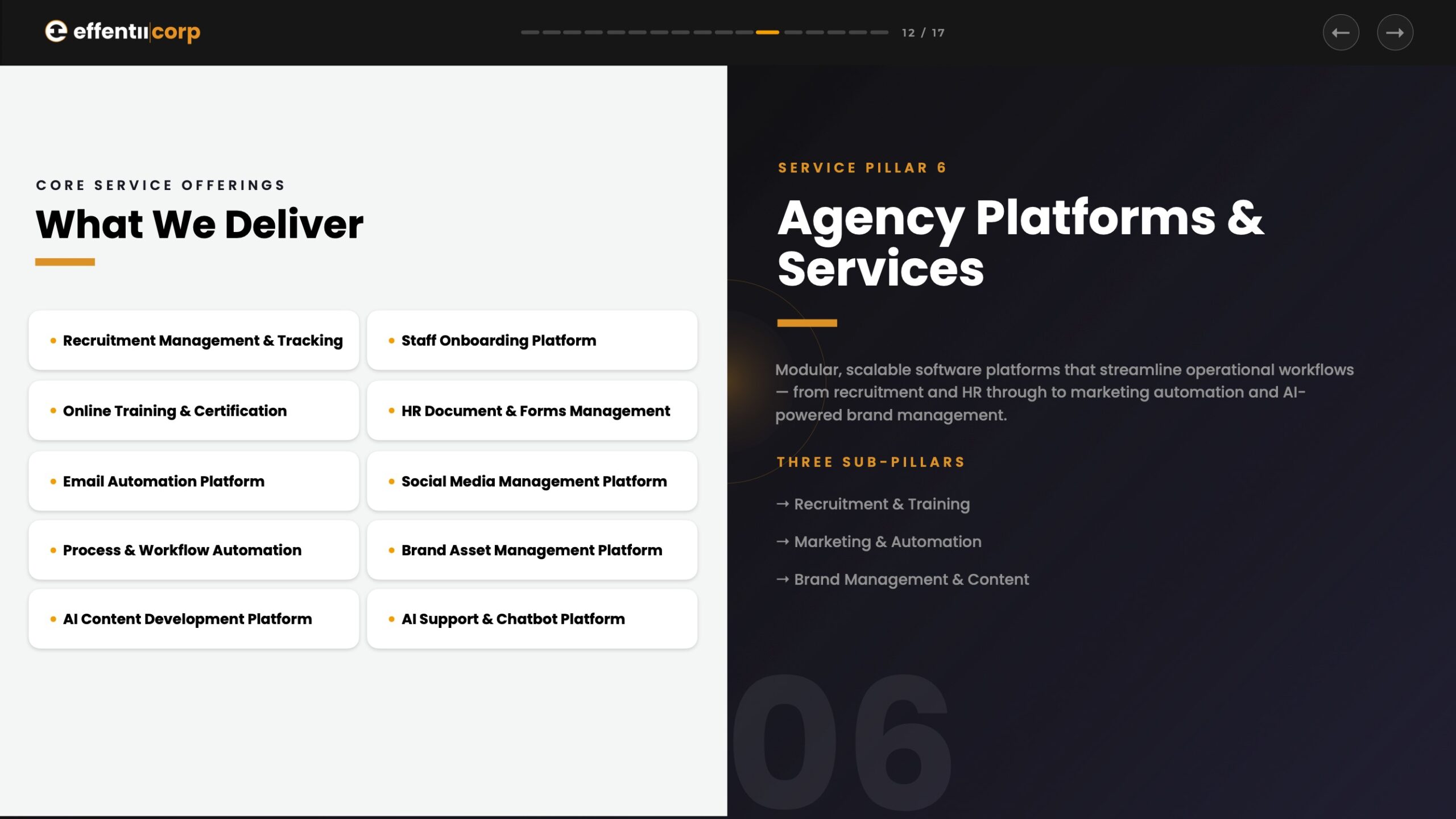
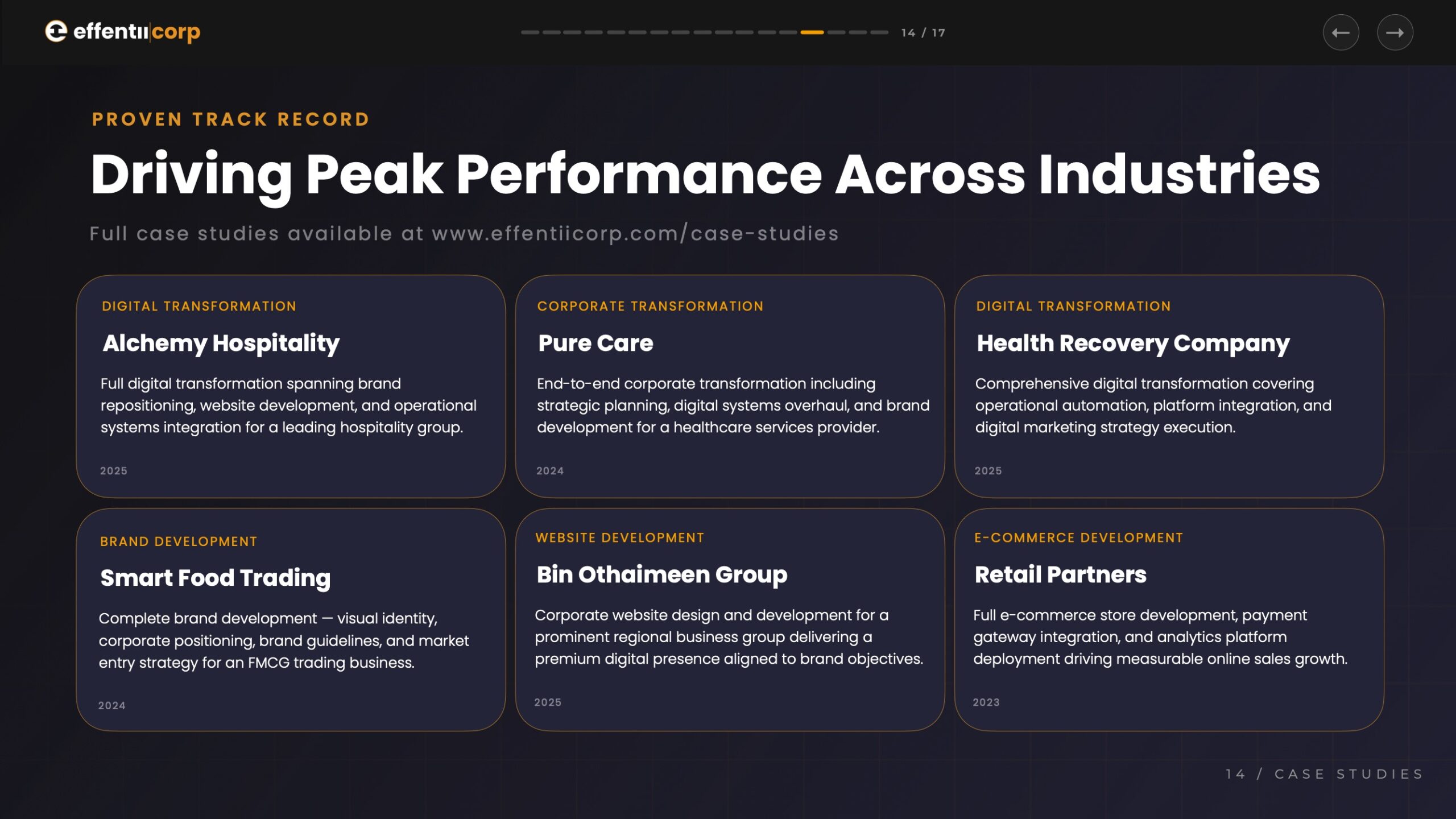
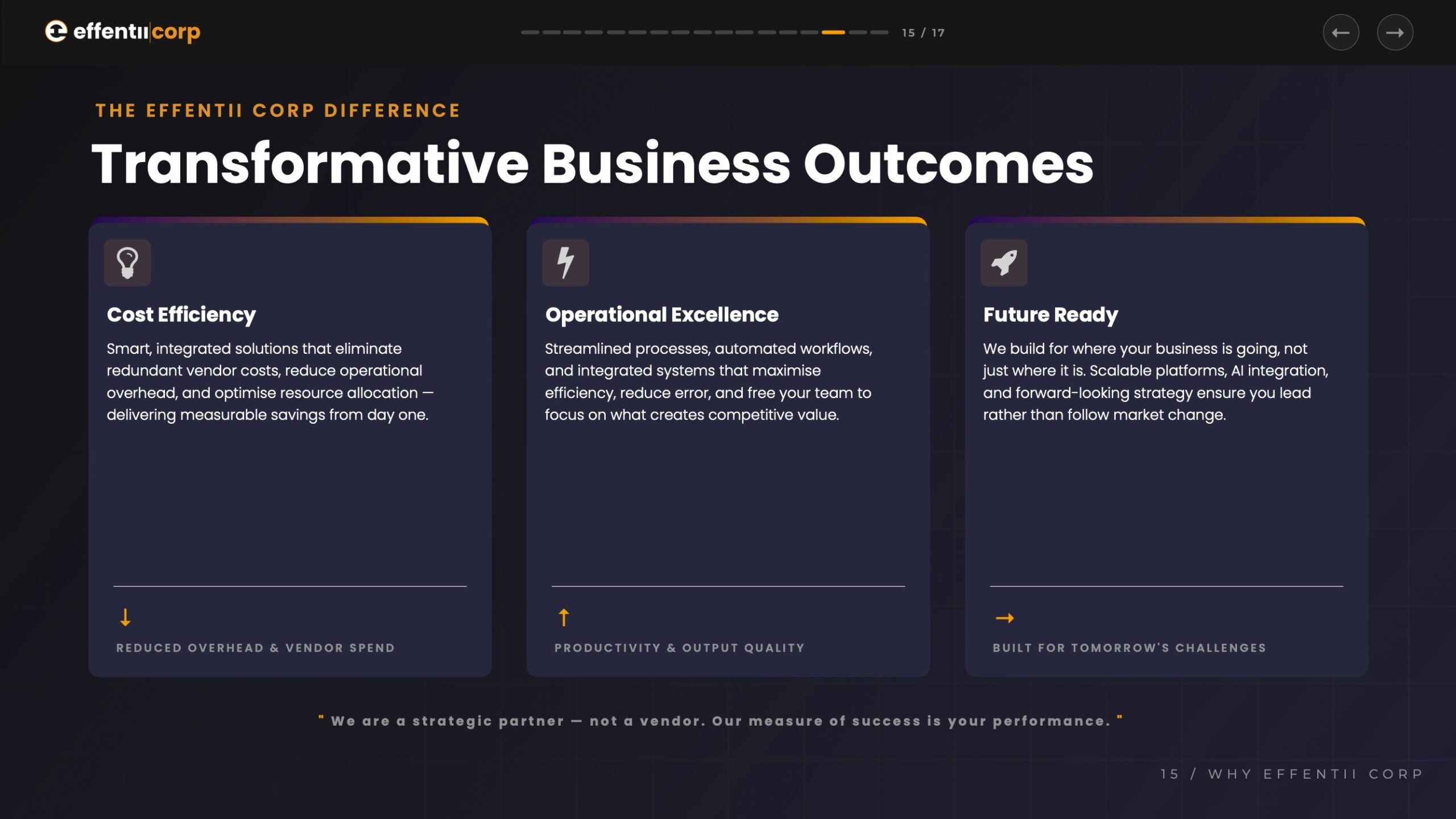
In today’s fiercely competitive business landscape, the quest for a leaner, more profitable operation is relentless. For forward-thinking leaders—Operations Managers, CEOs, and Small Business Owners—the pressure to do more with less is a constant reality. The solution, however, no longer lies solely in demanding more from your team or cutting essential services. The new frontier of profitability is digital, and it’s powered by a strategic imperative: automation for efficiency. This comprehensive guide delves into how automating core business processes isn’t just a tech trend but a fundamental driver of growth, cost savings, and significant competitive advantage.
What is Automation and Why Does Efficiency Matter?
At its core, business automation involves using technology to perform repetitive, rule-based tasks with minimal human intervention. This extends far beyond simple macros; it encompasses Robotic Process Automation (RPA), AI-powered workflows, and sophisticated software integrations that streamline entire operational departments. Efficiency is the measurable outcome of successful automation. It’s the ratio of valuable output to the input required to achieve it. When you boost efficiency through automation, you are directly enhancing productivity, slashing operational expenditures, minimizing errors, and freeing your most valuable asset—your people—to focus on strategic, revenue-generating work.
The Tangible Impact on the Bottom Line
The direct correlation between automation and profitability is undeniable. By replacing manual, time-consuming processes with automated ones, businesses experience a dramatic reduction in labor costs associated with those tasks. More importantly, automation drastically decreases the rate of human error, which can be incredibly costly in areas like order processing, invoicing, and data entry. This leads to lower operational costs, faster turnaround times, and improved customer satisfaction—all of which flow directly to the bottom line.
Key Business Areas Ripe for Automation
Virtually every department can benefit from a strategic approach to automation. Here are some of the highest-impact areas.
1. Marketing and Sales Operations
Automation transforms marketing from a spray-and-pray effort into a targeted, personalized engine for lead generation and conversion.
- Email Marketing: Tools like Mailchimp or HubSpot automate entire drip campaigns, segment audiences based on behavior, and personalize content, ensuring the right message reaches the right person at the right time.
- Lead Nurturing: Automation platforms can score leads based on engagement and automatically alert sales teams when a prospect is hot, ensuring no opportunity falls through the cracks.
- CRM Updates: Automatically log interactions, update contact records, and schedule follow-up tasks, keeping your customer data pristine and actionable.
2. Customer Service and Support
Automation empowers businesses to provide faster, more consistent, and 24/7 support without linearly increasing headcount.
- Chatbots and AI Assistants: Platforms like Intercom or Drift can handle a high volume of common customer queries instantly, resolving issues and collecting information before escalating complex cases to a human agent.
- Ticketing Systems: Tools such as Zendesk automatically route support tickets to the appropriate department or agent based on predefined rules, drastically reducing resolution times.
3. Human Resources and Onboarding
From recruitment to offboarding, HR is filled with perfect candidates for automation.
- Recruitment: Automate the screening of resumes based on keywords and pre-set criteria, scheduling interviews, and sending status updates to candidates.
- Employee Onboarding: Create automated workflows that provision software accounts, assign training modules, and ensure new hires complete all necessary paperwork on day one, creating a seamless and welcoming experience.
4. Finance and Accounting
This data-heavy department sees immense gains in accuracy and speed through automation.
- Invoice Processing: Software like Bill.com can extract data from incoming invoices, route them for approval, and schedule payments, eliminating manual data entry and late fees.
- Expense Management: Tools such as Expensify automate receipt scanning, policy compliance checks, and reimbursement workflows.
- Financial Reporting: Automate the aggregation of data from various sources to generate daily, weekly, or monthly financial reports, providing real-time insights into business performance.
Implementing Automation: A Strategic Approach
Success with automation isn’t about automating everything at once. It requires a calculated and phased strategy.
Step 1: Identify Repetitive, Time-Consuming Tasks
Begin by auditing your current processes. Engage your team to identify tasks that are repetitive, rule-based, and prone to human error. These are your low-hanging fruit for automation.
Step 2: Define Clear Goals and KPIs
What do you hope to achieve? Is it reducing processing time by 50%? Cutting data entry errors by 95%? Improving lead response time to under 5 minutes? Setting clear, measurable goals will guide your tool selection and measure your ROI.
Step 3: Select the Right Tools
Choose tools that integrate well with your existing software ecosystem (e.g., your CRM, ERP, communication tools). Consider scalability—will this solution grow with your business? Evaluate no-code/low-code platforms that allow your team to build automations without deep technical expertise.
Step 4: Train Your Team and Foster Adoption
Automation should be seen as a tool that empowers employees, not replaces them. Provide comprehensive training to alleviate fears and demonstrate how automation will free them from mundane work to focus on more creative and strategic projects. Change management is critical to success.
Step 5: Monitor, Measure, and Iterate
Continuously monitor the performance of your automated workflows against the KPIs you set. Gather feedback from users and be prepared to tweak and optimize your processes. Automation is an ongoing journey of improvement.
Overcoming Common Challenges and Objections
It’s natural to encounter hurdles when implementing new technology. Common concerns include upfront costs, employee resistance, and choosing the wrong process to automate. The key is to start small with a high-impact, low-risk pilot project to demonstrate quick wins and build momentum. Clearly communicate the “why” behind the initiative, focusing on how it benefits the employees and the company as a whole.
The Future is Automated
The trajectory of business is unequivocally moving towards greater automation. With advancements in AI and machine learning, the capabilities of automation tools will only become more sophisticated, handling increasingly complex tasks and providing deeper predictive insights. Businesses that embrace this shift today are not just optimizing for the present; they are future-proofing their operations and securing a formidable market position.
Ready to transform your business’s potential? Streamline your operations and reduce costs with Effentii Corp’s automation solutions. Request a demo of our automation tools.