Thinking about how to make things run smoother in your business? Automations and workflows are straightforward ways to take tasks off your plate, cut down on manual work, and generally make life easier. Instead of spending time on repetitive actions, you can set up systems to handle them automatically, freeing up your team for more important work. It’s about working smarter, not just harder.
You might be wondering if it’s worth the effort to set up new systems. The short answer is yes. Many businesses find themselves bogged down by routine tasks that eat up valuable time and resources. Automating these processes isn’t just about saving a few minutes here and there. It’s about fundamentally changing how your business operates, making it more efficient and less prone to errors.
Freeing Up Your Team’s Time
Imagine your team spending less time on data entry, chasing approvals, or sending out reminder emails. That’s what automation offers. By offloading these mind-numbing tasks, your employees can focus on work that truly requires their human skills – problem-solving, creativity, and customer interaction. It’s a morale booster and a productivity enhancer all rolled into one. The aim here is to remove the mundane, allowing human capital to be invested in areas where it truly adds value.
Reducing Errors and Improving Consistency
Manual processes are inherently prone to human error. A misplaced digit, a forgotten step, or a skipped approval can lead to significant headaches down the line. Automations, once set up correctly, perform tasks consistently every single time. This reduces the risk of errors, ensures compliance, and provides a more reliable output. For tasks that require precision, this is invaluable.
Boosting Operational Efficiency
When processes are streamlined, everything moves faster. Approvals happen quicker, information flows seamlessly between departments, and projects stay on track. This improved efficiency can lead to faster turnaround times for customers, better resource allocation, and a more agile business overall. It directly contributes to a healthier bottom line by eliminating bottlenecks.
Where to Start: Identifying High-Impact Areas
Jumping into automation without a clear plan can be overwhelming. The best approach is to identify areas where automation will deliver the most significant benefits with the least initial effort. Think about tasks that are repetitive, time-consuming, and occur frequently.
Pinpointing Repetitive Tasks
Look at your daily or weekly operations. Are there any tasks that feel like Groundhog Day? These are prime candidates for automation. Think about things like:
- Invoice processing: Receiving, approving, and paying invoices can be a significant time sink. Tools are now available that leverage document data from these invoices to create digital workflows, as seen in the Square 9 Playbook for manufacturers. This moves efficiency beyond just the production line.
- Customer support ticket prioritization: Automatically routing urgent tickets to the right department or flagging high-priority issues can drastically improve response times. AI can be trained to analyze incoming requests and assign them appropriately.
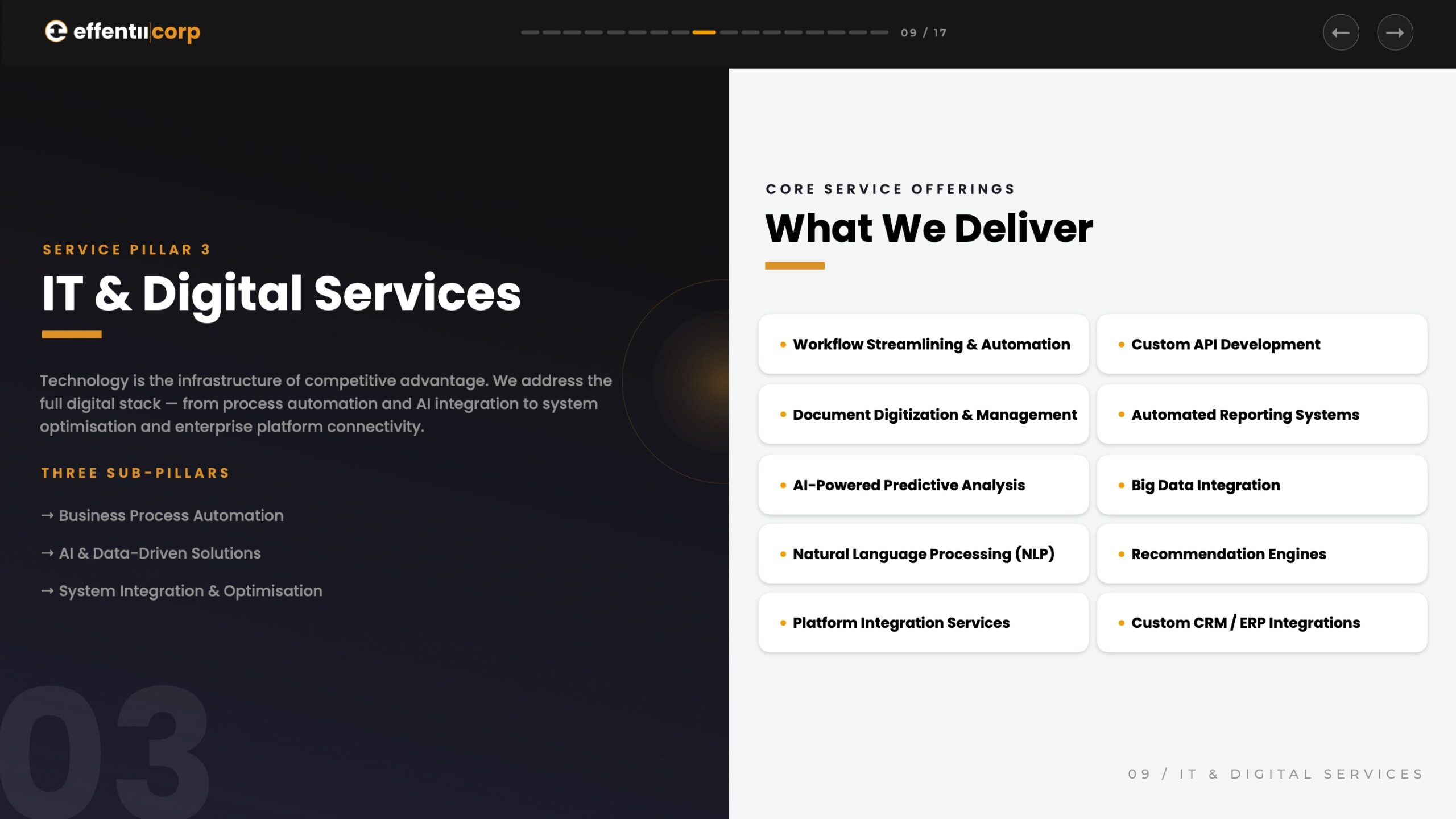
- Onboarding new employees: The paperwork and setup involved in bringing new staff onboard can be automated, from sending out welcome packets to setting up IT access.
- Data entry: Transferring information between different systems is often a manual chore. Automation can handle this with minimal fuss.
Prioritizing for Quick Wins
Start with processes that, when automated, will show a tangible return on investment quickly. This builds momentum and demonstrates the value of your automation efforts to stakeholders. Look for tasks that, if done manually, are causing noticeable delays or bottlenecks. Automating these first allows you to see the benefits sooner and gather support for further automation initiatives. Prioritizing high-impact areas like ticket prioritization or invoice processing is a common best practice for securing quick ROI.
Practical Tools and Technologies to Consider
The landscape of automation tools is vast, but many offer user-friendly interfaces and robust capabilities. You don’t need to be a coding expert to implement many of these solutions.
No-Code and Low-Code Platforms
Many modern automation tools are designed for business users, offering drag-and-drop interfaces and pre-built templates. This means you can create sophisticated workflows without writing a single line of code.
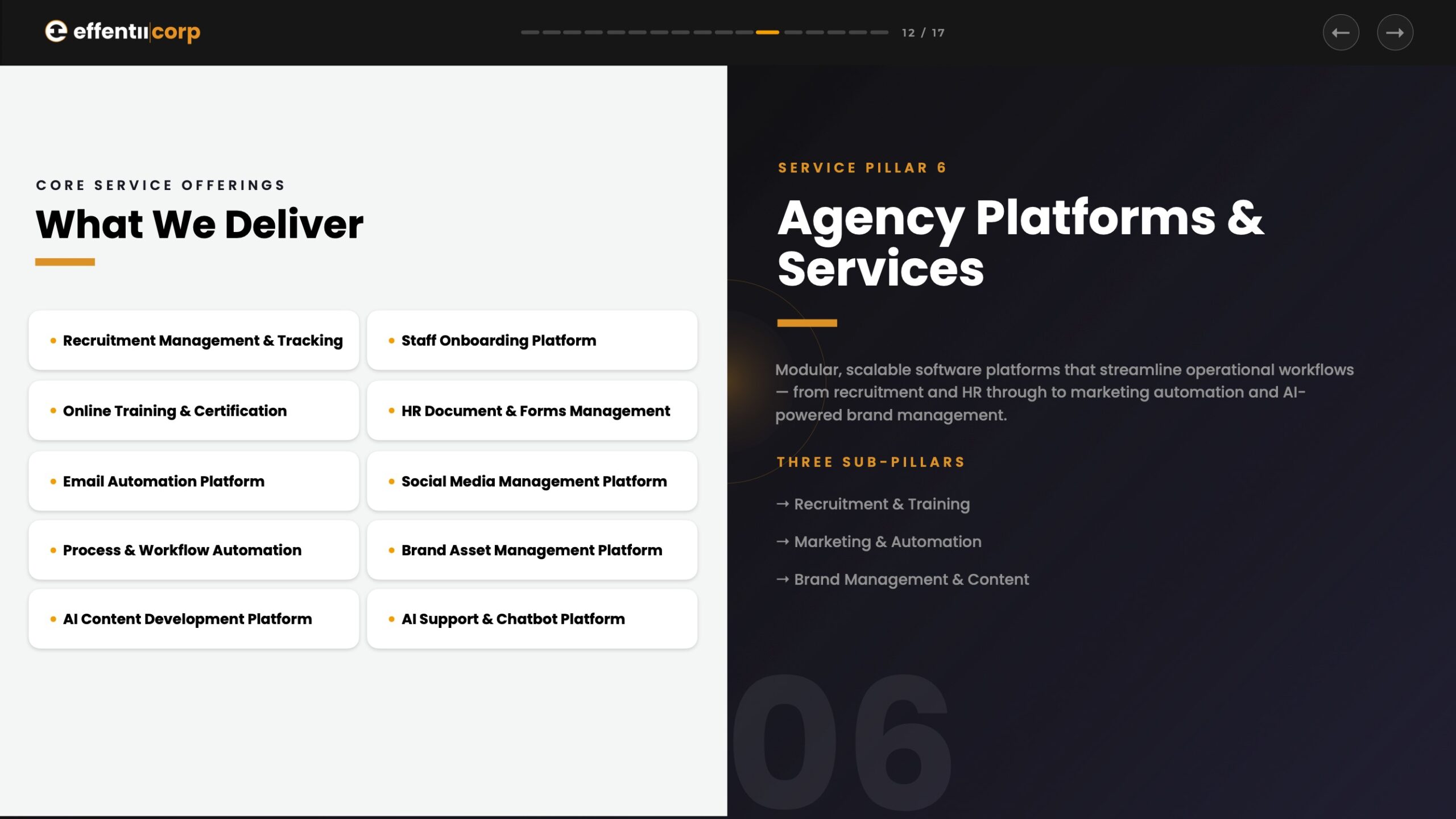
- Hive Automate: This platform stands out for its no-code workflow capabilities, offering templates, checklists, and integration with popular tools like Slack and Google Drive. It allows teams to create custom workflows that fit their specific needs without extensive technical knowledge.
- Platforms like Zapier and Make (formerly Integromat): These are integration powerhouses, connecting thousands of different applications. You can set up “zaps” or “scenarios” that trigger actions in one app based on events in another. For example, a new lead in your CRM could automatically create a task in your project management system and send a notification to your sales team.
- monday.com and Asana: While fundamentally project management tools, both offer strong automation features. You can set up rules to automatically assign tasks, send reminders, or change status updates based on certain conditions.
Integrating with Existing Systems
The real power of automation comes when it integrates seamlessly with your current software stack. Your CRM, ERP, accounting software, and communication platforms should all be able to talk to each other.
- CRM Integration: Automate lead nurturing, follow-up emails, and task assignments based on customer interactions.
- Financial Software Integration: Streamline expense reporting, invoice reconciliation, and payroll processing.
- Communication Platforms (e.g., Slack, Microsoft Teams): Get automated notifications about critical events, project updates, or customer queries directly in your team’s communication channels. This immediate feedback loop keeps everyone informed without constant manual checking.
The Rise of AI in Workflows
Artificial intelligence is rapidly enhancing automation capabilities, moving beyond simple rule-based systems to more intelligent, adaptive workflows.
- Generative AI for Workflow Creation: Tools are emerging, like Xurrent’s AI builder, that allow users to create complex workflows by simply describing them in plain English. This can save significant time, with estimates ranging from 8-50 hours per year for individual users, making workflow creation accessible to a much wider audience.
- AI-Powered Decision Making: AI can analyze data patterns to make intelligent decisions within a workflow. For instance, in an IT operations context, AI can prioritize incidents, predict potential system failures, or even resolve common issues autonomously. Gartner notes that 44% of organizations anticipate Generative AI automating their I&O tasks in the near future.
- Anticipatory AI: The future points towards “anticipatory AI,” where systems don’t just react to events but proactively take steps based on predicted outcomes. Imagine a system that automatically reorders supplies before they run out or adjusts production schedules based on forecasted demand fluctuations, all without human intervention. This revolutionizes how industries operate by anticipating needs rather than simply responding to them.
Implementing and Scaling Your Automations
Once you’ve identified your target areas and chosen your tools, the next step is to put your plans into action and ensure these new systems can grow with your business.
Starting Small and Iterating
Don’t try to automate everything at once. Begin with a single process, implement the automation, and test it thoroughly. Gather feedback from the team members who interact with this process.
- Test and Refine: Automation isn’t a “set it and forget it” activity. Initial workflows will likely need tweaks. Monitor their performance, identify any kinks, and adjust as needed. This iterative approach allows you to learn and improve with each successive automation.
- Document Everything: As you create workflows, document how they work, why they were created, and who is responsible for their maintenance. This ensures continuity and makes it easier to onboard new team members or troubleshoot issues.
Training Your Team
New tools and processes require a cultural shift. Your team needs to understand the “why” behind the automation and how it will benefit them.
- Demonstrate Value: Show your team how automation will alleviate their pain points, reduce mundane tasks, and free them up for more engaging work. Highlight the positive impact on their daily routines.
- Provide Clear Instructions: Offer hands-on training, create user guides, and provide ongoing support. Ensure everyone feels comfortable interacting with the new automated systems. Adequate training is critical for scaling any AI-driven workflow, ensuring smart decisions and reducing busywork are realized benefits.
Monitoring and Optimizing Performance
Automation isn’t a one-time setup. It’s an ongoing process of monitoring, evaluating, and optimizing.
- Track Key Metrics: How much time are you saving? Are errors decreasing? Is process completion time improving? Regularly review these metrics to assess the effectiveness of your automations.
- Schedule Reviews: Periodically review your automated workflows to ensure they are still relevant and performing optimally. Business needs change, and your automations should evolve with them. What worked perfectly a year ago might need adjustment today.
In today’s fast-paced business environment, automations and workflows play a crucial role in enhancing efficiency and customer satisfaction. For those interested in exploring how these elements can transform customer experiences, a related article discusses essential strategies and insights. You can read more about this transformative approach in the article titled Elevating Loyalty: The Blueprint for Customer Experience Transformation. This resource provides valuable information on integrating automation into your business processes to create a seamless customer journey.
Anticipating Future Trends and Impacts
“`html
| Category | Metric | Value |
|---|---|---|
| Automation Efficiency | Time Saved | 30% |
| Workflow Accuracy | Error Rate | 2% |
| Process Improvement | Cost Reduction | 20% |
“`
The world of automation is constantly evolving, with AI playing an increasingly central role. Keeping an eye on these trends will help you prepare your business for the future.
Evolving Towards “Anticipatory AI”
As mentioned earlier, the shift from reactive to proactive automation is a significant trend. This means systems won’t just follow rules or respond to triggers; they will predict needs and act before problems arise. This fundamental change is set to revolutionize operations across industries.
- Proactive Maintenance: Machines reporting potential failures before they happen, automatically scheduling repairs.
- Dynamic Resource Allocation: Systems automatically adjusting staffing levels or inventory based on predicted demand.
- Personalized Customer Experiences: AI anticipating customer needs and offering tailored solutions without direct prompts.
Broad Business Impact
The effects of automation powered by AI are reaching every corner of businesses.
- Operations Automation: This includes areas like facilities management, supply chain logistics, and purchasing. Automated systems can manage inventory, track assets, and optimize routes, leading to significant cost savings and efficiency gains.
- Administrative Task Automation: HR onboarding, financial approvals, expense management – these administrative burdens are being significantly eased by automation, allowing human resources and finance teams to focus on strategic initiatives rather than clerical work.
- Significant Cost Savings and ROI: Industry reports consistently highlight substantial financial benefits. Deloitte predicts a 31% cost reduction through automation, while Forrester a remarkable 384% return on investment. These figures underscore the financial viability and strategic importance of investing in robust automation strategies. The gains extend beyond mere efficiency, impacting profitability directly.
By embracing and strategically implementing automations and workflows, businesses can navigate the complexities of modern operations, unlock new levels of efficiency, and position themselves strongly for future growth, regardless of their sector.