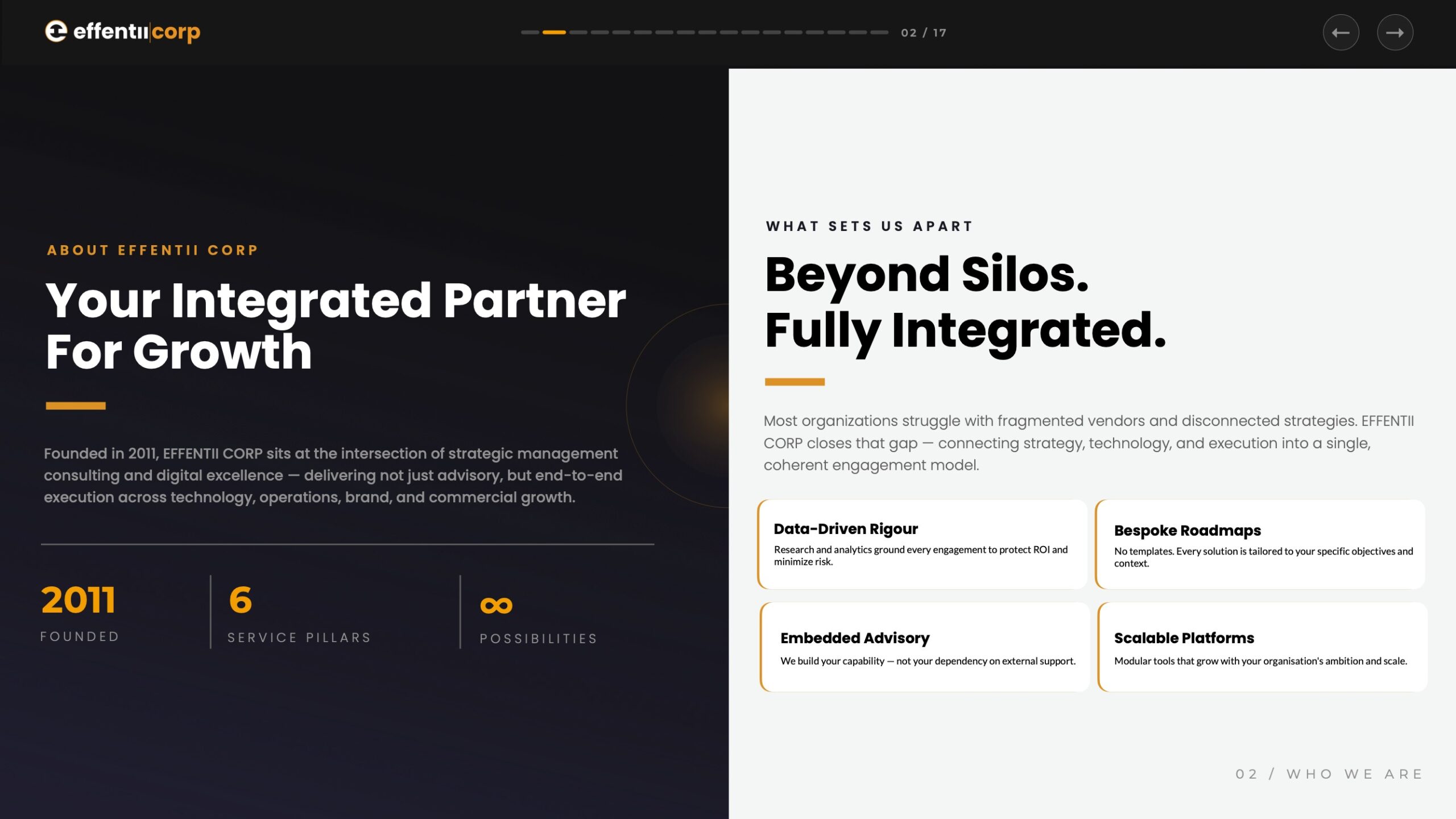
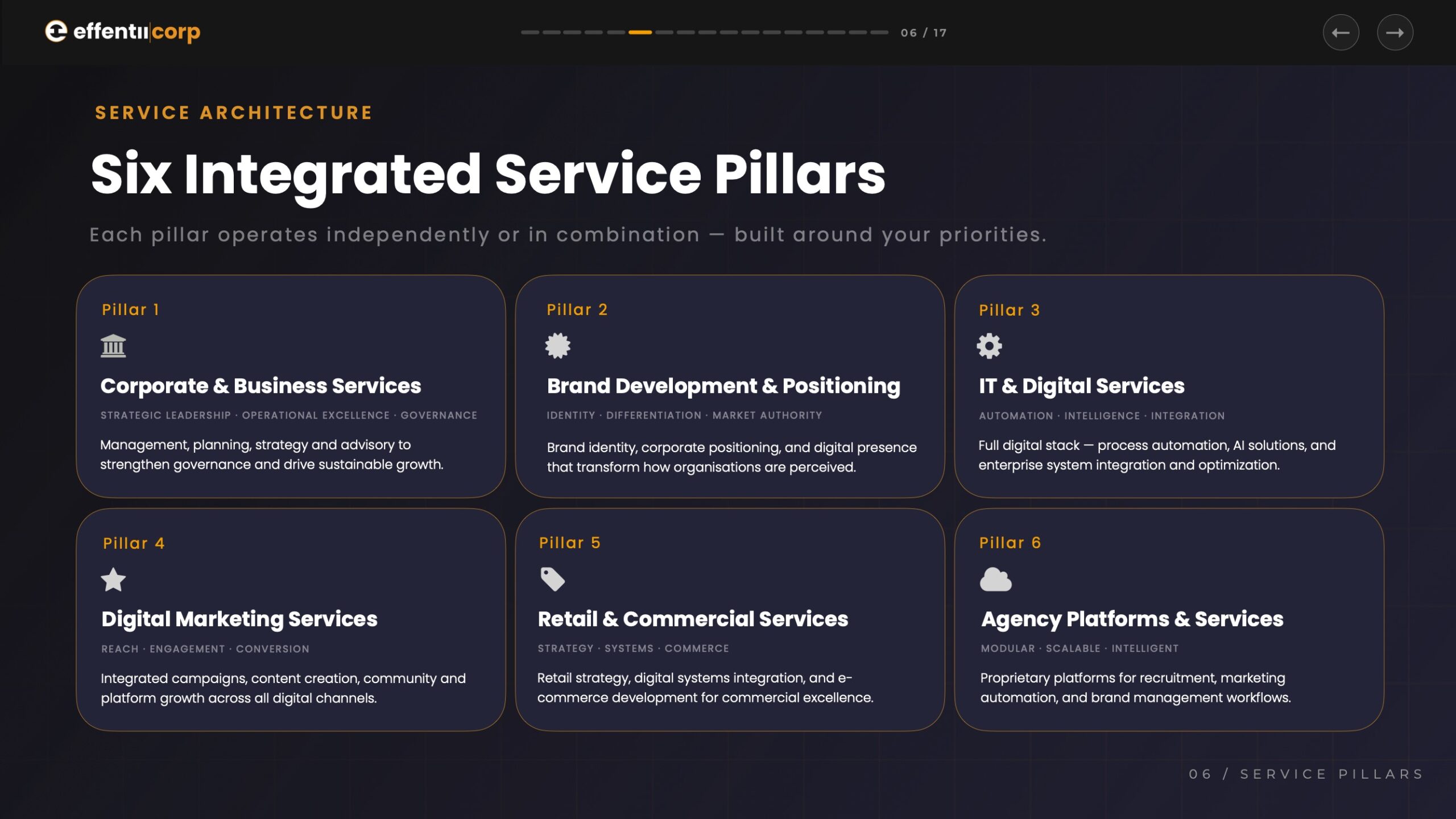
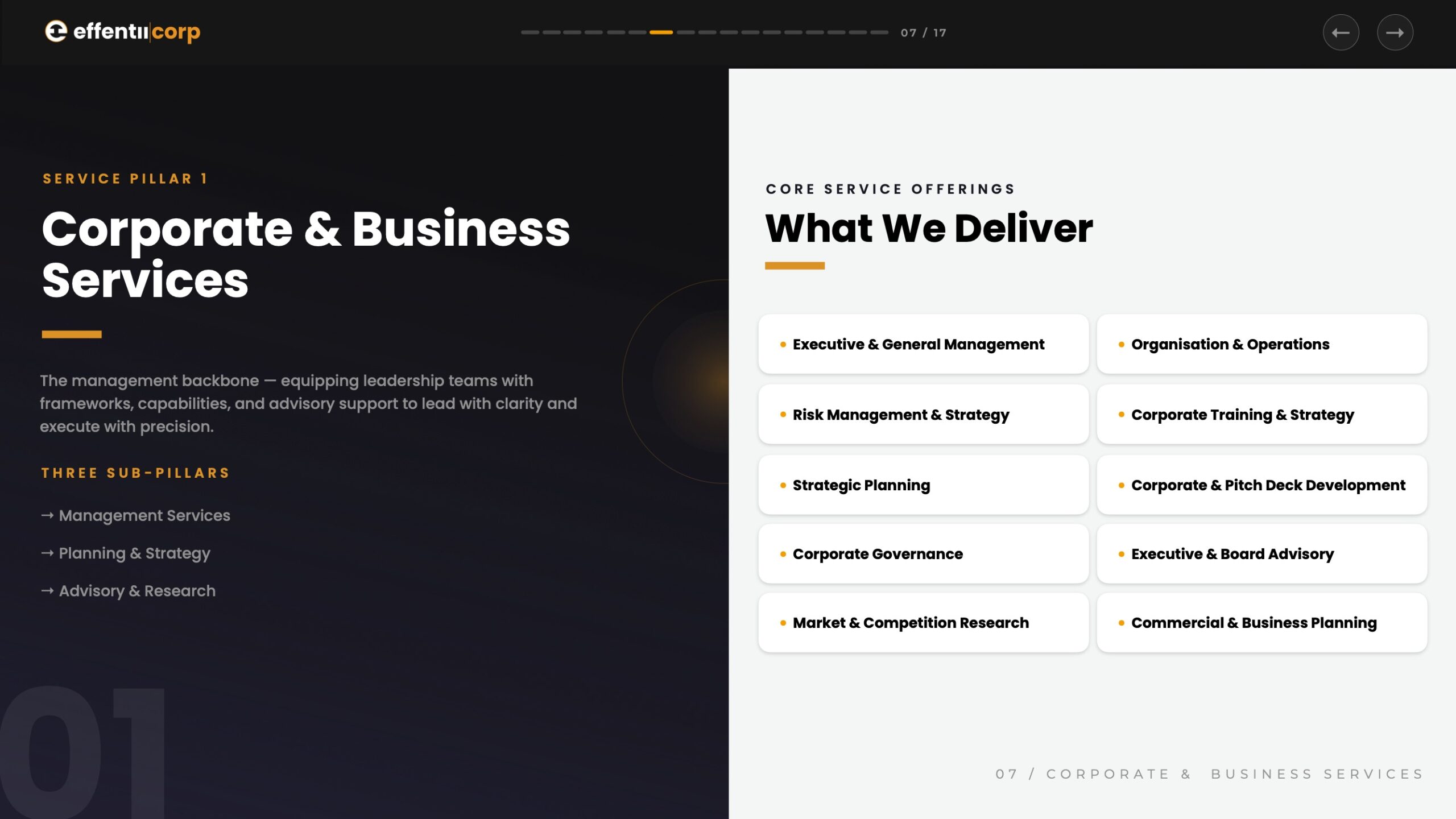
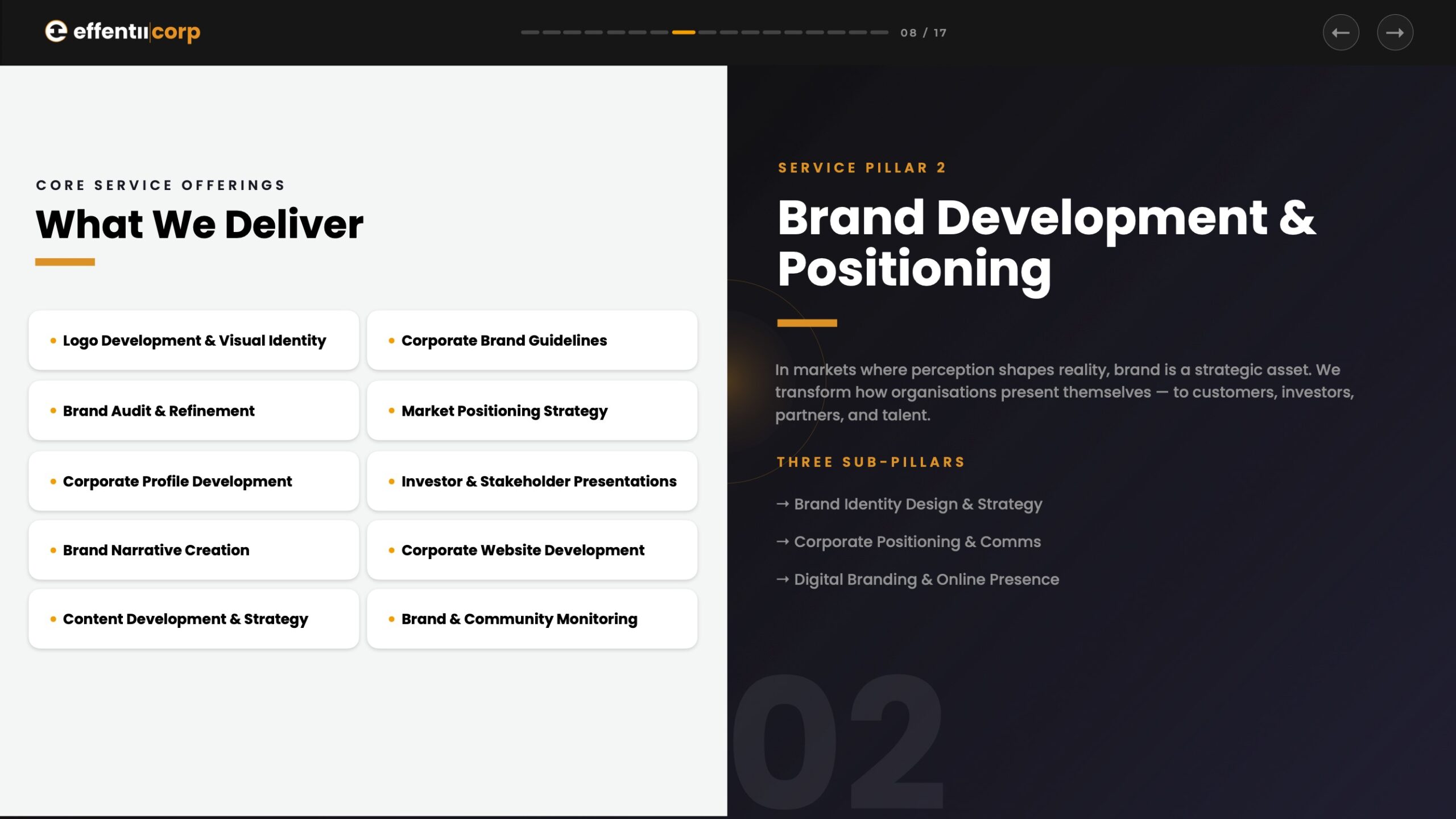
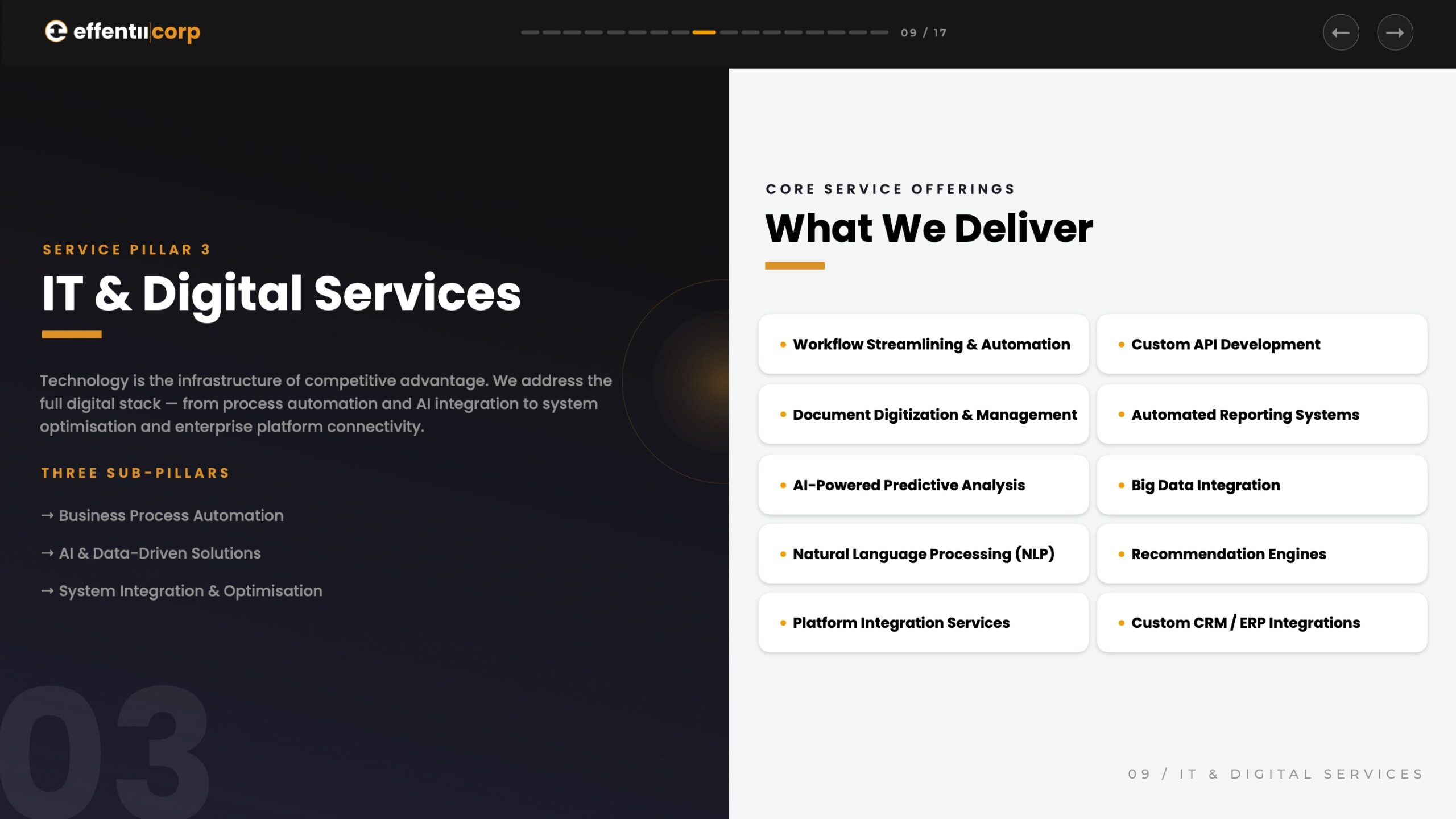
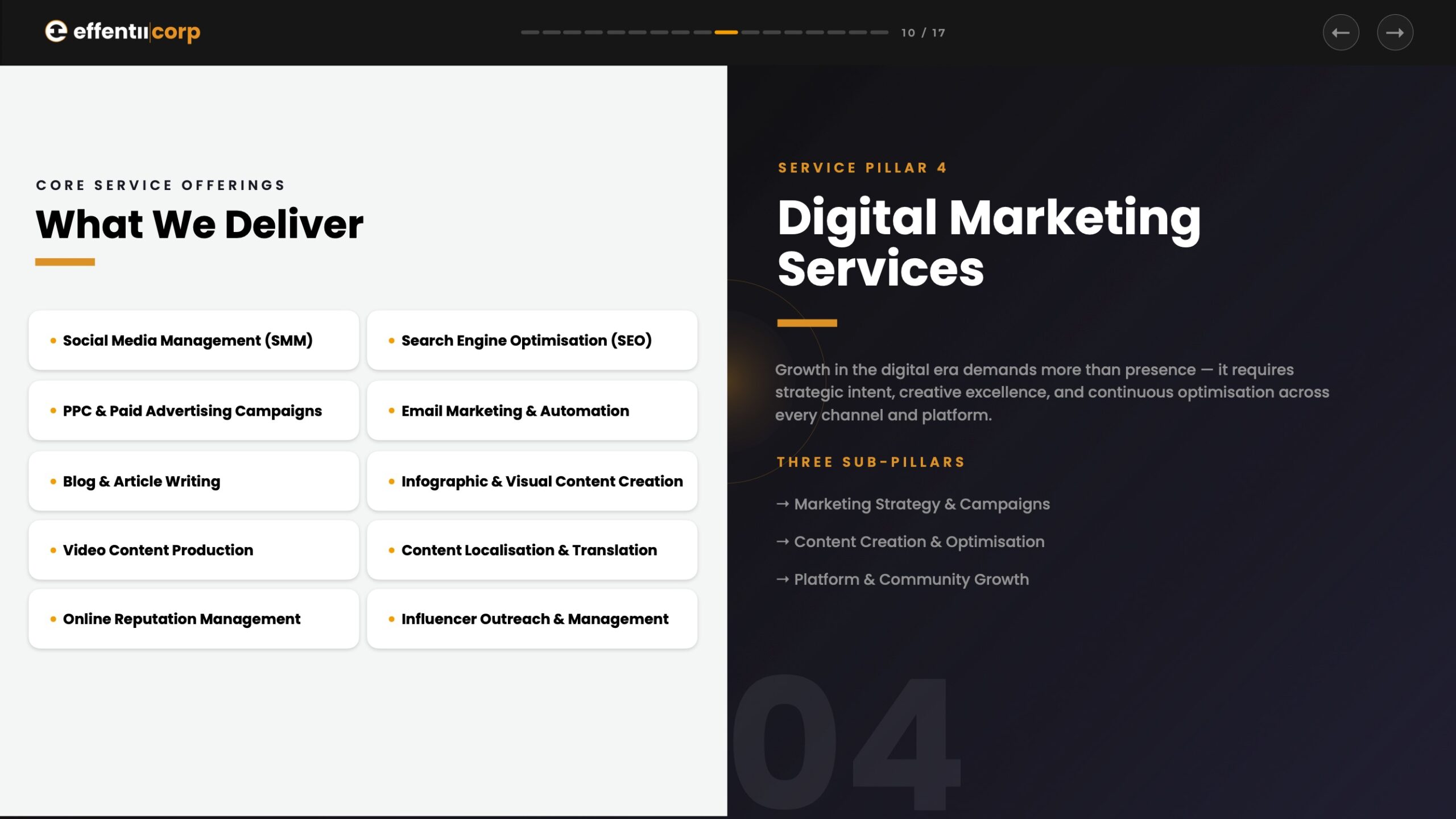
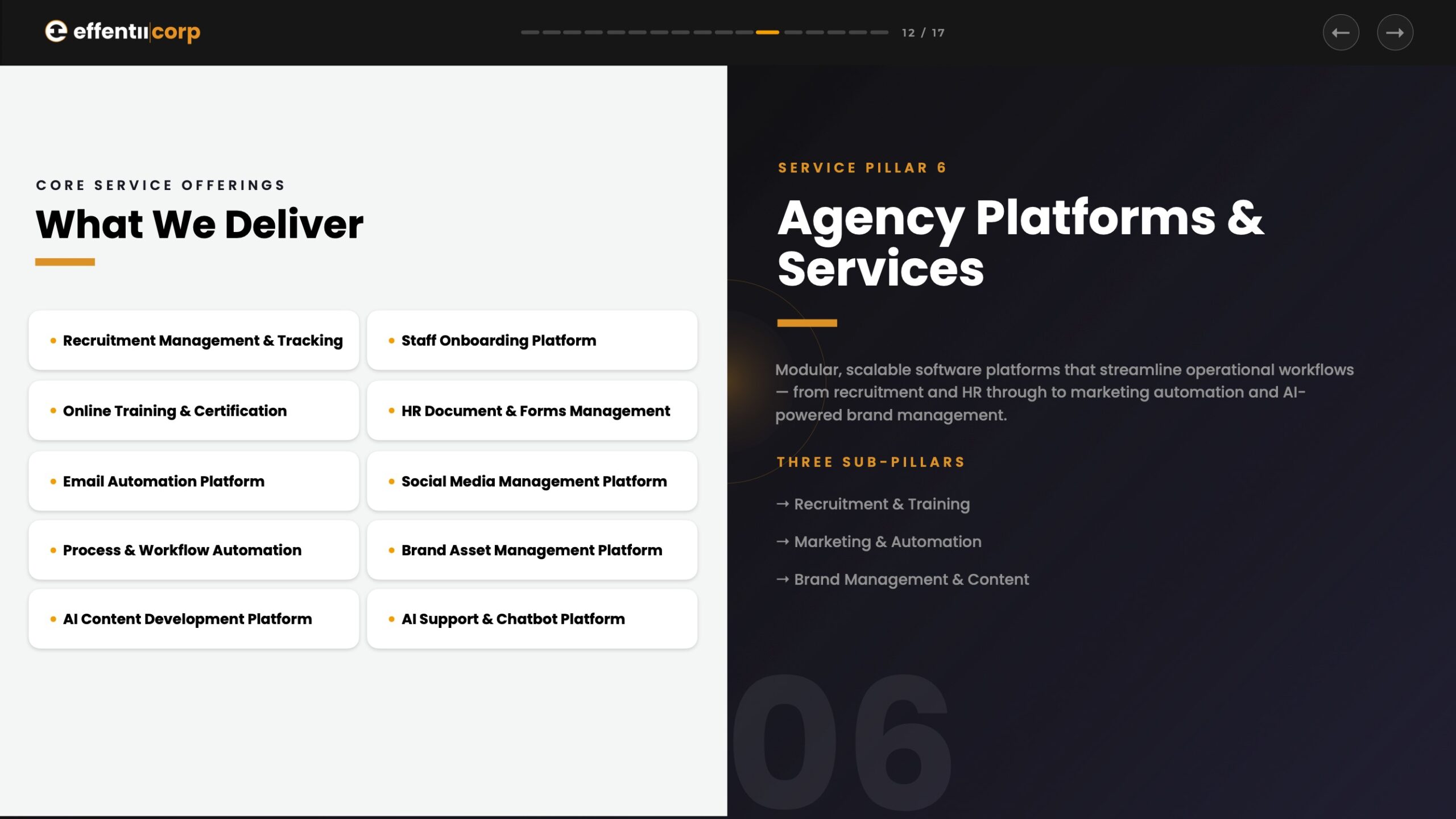
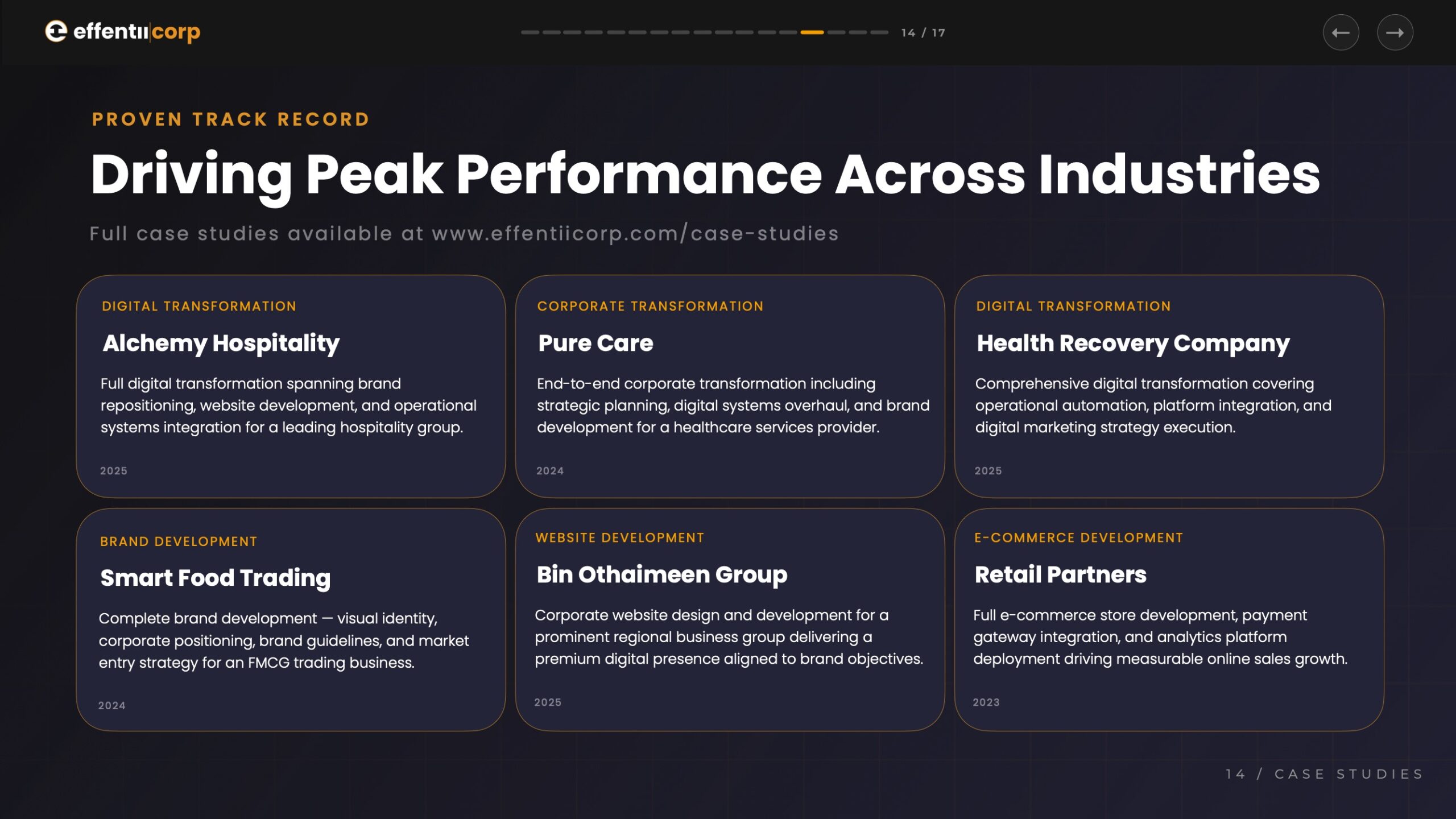
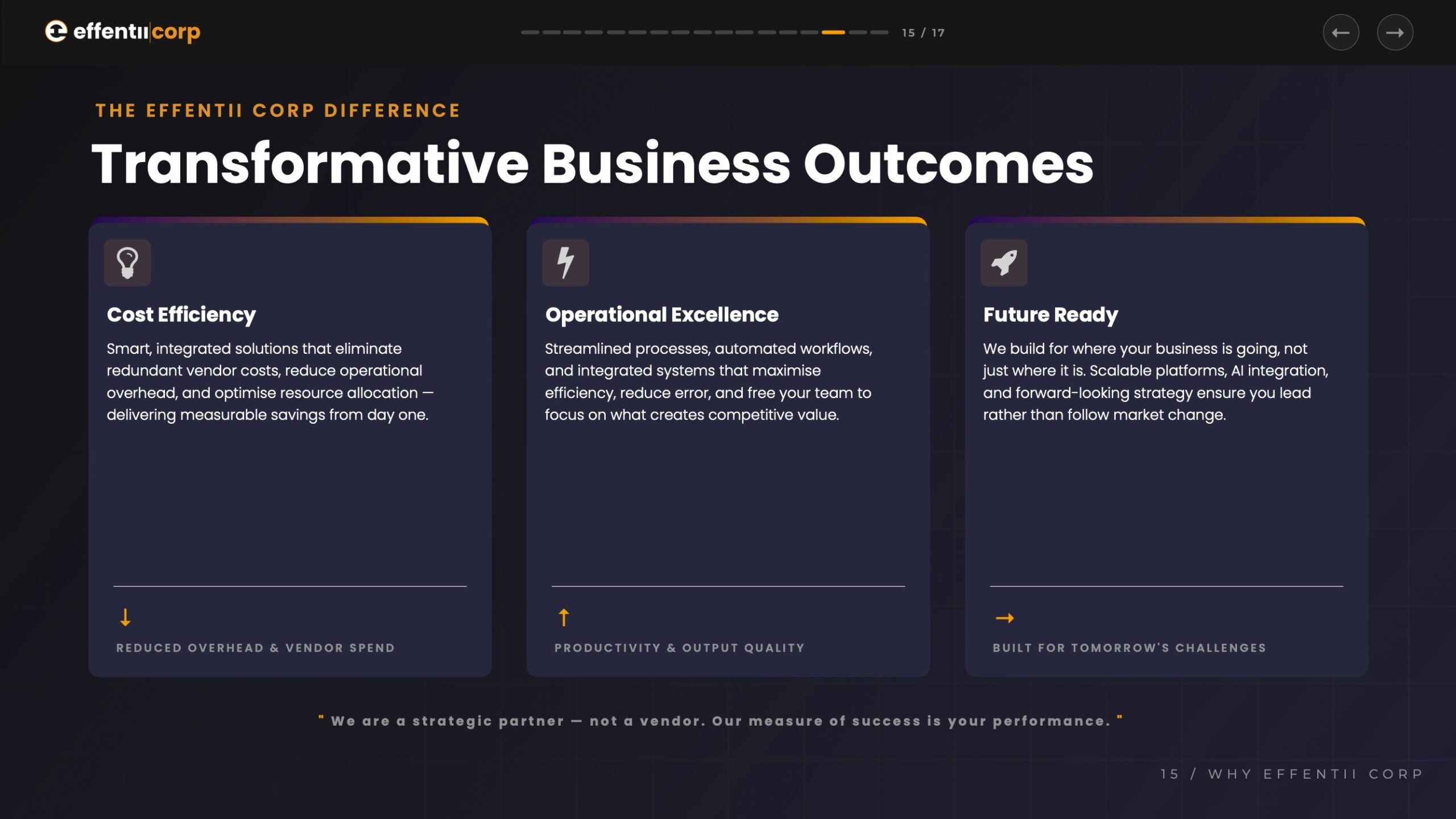
You’ve likely heard the phrase “it’s all about the pitch.” You might even have some rudimentary ideas about what a pitch entails. But have you truly grasped the profound — often underestimated — power of a meticulously crafted pitch deck? This isn’t just a slide show; it’s your roadmap, your blueprint, and your best ambassador, all rolled into one. It’s the distillation of your vision, the crystallization of your hard work, all presented in a digestible and persuasive format. For anyone seeking to secure funding, attract partners, or simply articulate a complex idea with clarity and impact, the pitch deck is an indispensable tool, a critical lever for unlocking success.
At its core, a pitch deck is a presentation designed to provide a concise overview of a business, project, or idea. Think of it as the executive summary of your entire endeavor, delivered visually and verbally. It’s not intended to be an exhaustive document, but rather a compelling narrative that sparks interest and encourages further engagement. The primary objective is to convey essential information efficiently, leaving your audience with a clear understanding of your proposition and its potential. To discuss your project in detail, please Book a Call with our team.
The Purpose of a Pitch Deck
The purposes of a pitch deck are multifaceted and directly tied to the goals you aim to achieve. It serves as a crucial communication vehicle, translating abstract concepts into tangible possibilities.
For Securing Investment
This is perhaps the most widely recognized function of a pitch deck. When you approach investors, whether they are venture capitalists, angel investors, or even friends and family, they need to grasp the essence of your business quickly. Your pitch deck must demonstrate the viability of your product or service, the market opportunity, your competitive advantage, and the potential for a significant return on their investment. It’s the key that unlocks the door to their capital, enabling you to fuel your growth and realize your ambitions. Without a strong deck, even the most brilliant idea can languish for lack of resources.
For Strategic Partnerships
Beyond financial backing, a pitch deck is invaluable when seeking alliances and collaborations. Potential partners will scrutinize your presentation to understand how your venture aligns with their strategic objectives. A well-structured deck can showcase the mutual benefits of a partnership, illustrating how your strengths complement theirs, leading to synergistic growth. It’s a handshake in digital form, a preview of a fruitful collaboration built on shared understanding and vision.
For Explaining Complex Concepts
Not all pitch decks are about fundraising. You might need to explain a sophisticated technological innovation to potential customers, a new service offering to stakeholders, or even convey the vision of a non-profit to potential donors. In these scenarios, the pitch deck acts as a translator, simplifying complexity and making your idea accessible and understandable to diverse audiences. It’s like building a bridge over a chasm of confusion, leading your audience safely to the other side of comprehension.
The Anatomy of a Compelling Pitch Deck
While the specific content will vary depending on your industry and offering, a well-structured pitch deck typically follows a logical flow. Each slide should serve a distinct purpose, contributing to the overall narrative.
The Essential Slide Structure
A common and effective structure includes slides covering:
- The Problem: Clearly articulate the pain point or unmet need you are addressing. This establishes the context and relevance of your solution.
- The Solution: Present your product or service as the answer to the identified problem. Demonstrate its unique value proposition.
- Market Opportunity: Define the size and growth potential of your target market. Quantify the addressable market.
- Business Model: Explain how you will generate revenue. Detail your pricing strategy and sales channels.
- Traction/Progress: Showcase any achieved milestones, such as user acquisition, revenue growth, partnerships, or product development. This demonstrates momentum and reduces perceived risk.
- Marketing and Sales Strategy: Outline how you will reach and acquire customers. Detail your customer acquisition cost (CAC) and customer lifetime value (CLTV).
- Competition: Identify your competitors and explain your competitive advantage. How do you differentiate yourself?
- Team: Introduce the key individuals behind the venture. Highlight their relevant experience and expertise.
- Financial Projections: Present realistic financial forecasts, including revenue, expenses, and profitability. This is crucial for investors.
- The Ask: Clearly state what you are seeking, whether it’s funding, a partnership, or a specific commitment.
Deconstructing the Narrative: Crafting Your Message
A pitch deck is more than a collection of facts; it’s a story. The effectiveness of your deck lies not just in what you present, but how you present it. The narrative arc is crucial for engaging your audience and making your message memorable.
The Art of Storytelling in Business
Stories have a primal power to connect with people. Humans are hardwired to process and remember information presented as a narrative. Your pitch deck should tap into this innate human tendency.
Engaging the Audience from the Start
The opening slides are your hook. You need to grab your audience’s attention immediately by presenting a problem that resonates with them, or a compelling vision of the future. Think of it as the opening scene of a captivating film – it needs to draw viewers in and make them want to know what happens next. Avoid generic statements; be specific and evocative.
Building Momentum and Suspense
As you progress through the deck, each slide should build upon the previous one, creating a logical flow that leads to your ultimate proposition. The elements of your solution, market, and team should progressively reinforce the strength of your venture. This isn’t about creating artificial suspense, but about logically unfolding the opportunity and demonstrating its inherent value.
The Climax: Your Unique Value Proposition
The climax of your narrative is your unique value proposition (UVP). This is the core of why your offering is special and why it will succeed where others may have failed. It’s the moment where all the preceding information coalesces into a clear, powerful statement of benefit.
Tailoring Your Message to Your Audience
A one-size-fits-all approach to pitch decks is rarely effective. The nuances of your audience will dictate the emphasis and depth of certain sections.
Understanding Investor Motivations
Investors are primarily driven by the potential for financial return. They want to see a clear path to profitability and a scalable business model. Your pitch deck must speak their language, emphasizing market size, revenue potential, and exit strategies. It’s about demonstrating how their investment will grow and multiply.
Appealing to Strategic Partners
When approaching potential partners, the focus shifts. You need to highlight the mutual benefits of collaboration, illustrating how your venture can help them achieve their own strategic goals. This might involve increasing their market share, accessing new technologies, or enhancing their product portfolio. It’s about showing them a reflection of their own potential success in your venture.
Communicating with Customers and Stakeholders
For customers, the emphasis is on the benefits they will receive. How will your product or service solve their problems or improve their lives? For other stakeholders, such as employees or community members, the pitch might focus on the vision, impact, and long-term stability. This requires a different lens, focusing on the human element and the broader societal implications.
The Power of Visual Communication: Design and Presentation
The visual aspect of your pitch deck is as critical as its content. A poorly designed deck can undermine even the most brilliant ideas, while a well-designed one can amplify your message and leave a lasting positive impression.
The Aesthetics of Persuasion
Visuals are not mere decoration; they are a powerful form of communication that can enhance comprehension and retention.
Clarity and Simplicity in Design
Your design should prioritize clarity and legibility. Avoid cluttered slides with too much text or overly complex graphics. The goal is to make information easily digestible, not to overwhelm your audience. Think of a well-designed map – it efficiently guides you to your destination without unnecessary distractions.
The Strategic Use of Graphics and Data Visualization
Graphs, charts, and infographics can transform dry data into compelling insights. They can illustrate trends, highlight key performance indicators, and make complex information accessible. However, ensure your visualizations are accurate, clearly labeled, and directly support your narrative. They are the compass pointing towards your success.
Consistency in Branding and Visual Identity
Maintain a consistent visual identity throughout your deck. This includes using consistent fonts, colors, and imagery. This reinforces your brand and creates a professional, cohesive presentation. It’s like a well-tuned orchestra, where every instrument plays its part harmoniously.
Delivery: Bringing Your Pitch to Life
The most impressive pitch deck in the world can fall flat without effective delivery. Your presentation skills are paramount.
Hone Your Delivery Skills
Practice your presentation thoroughly. Know your material inside and out, but avoid sounding like you are reading from a script. Speak with confidence, maintain eye contact, and convey enthusiasm for your venture. Your passion is infectious.
Handling Questions and Objections
Be prepared to answer questions and address potential objections thoughtfully and honestly. This demonstrates your command of the subject matter and builds credibility. If you don’t know an answer, it’s better to admit it and commit to finding out than to fabricate information.
The Importance of Enthusiasm and Authenticity
Your belief in your product or service should shine through in your delivery. Authenticity builds trust. If you are passionate and genuinely believe in what you are presenting, your audience is more likely to be persuaded. Your personal conviction is the fuel that powers your pitch.
Common Pitfalls to Avoid
Even with the best intentions, entrepreneurs and innovators can stumble when developing their pitch decks. Recognizing and avoiding these common pitfalls can significantly increase your chances of success.
The “Too Much Information” Syndrome
One of the most frequent mistakes is information overload. Trying to cram too much data onto each slide or into your presentation can dilute your message and bore your audience.
Condensing Complex Ideas
Your pitch deck is an appetizer, not the entire meal. Focus on the most critical information that will pique interest and encourage further discussion. Think of it as selecting the most potent spices to create a memorable flavor, rather than throwing the entire spice rack into the pot.
The Rule of Thumb: One Idea Per Slide
Strive for the principle of one core idea or data point per slide. This keeps your message focused and easy to follow. If a slide has too much going on, it’s like standing in a crowded market square – it’s hard to focus on any one vendor.
Neglecting the “Why”
While the “what” and “how” are important, failing to clearly articulate the “why” – the problem you solve and the impact you make – is a critical oversight.
The Problem-Solution Dynamic
Ensure your problem statement is clear, compelling, and relatable. This sets the stage for your solution and demonstrates the necessity of your offering. Without a strong problem, your solution will lack context and purpose. It’s like building a beautiful house on an unstable foundation.
Focusing on Benefits, Not Just Features
Investors and partners are interested in the outcomes and benefits your venture delivers, not just a list of features. Translate your features into tangible advantages for your audience. This is about demonstrating the value, not just listing the components.
Forgetting the Audience
As previously mentioned, not tailoring your pitch to your specific audience is a significant misstep.
Generic Presentations
A pitch deck that is not adapted to the particular investor, partner, or stakeholder group will likely fall short. Research your audience and understand their interests, priorities, and potential concerns. This diligence ensures your message lands with maximum impact.
Ignoring Their Questions and Concerns
Failing to anticipate and address potential questions or concerns demonstrates a lack of preparation and understanding. Be proactive in identifying potential weaknesses and have well-thought-out answers ready. This proactive approach builds confidence.
The Pitch Deck as a Living Document: Evolving for Success
| Metric | Description | Typical Value/Range |
|---|---|---|
| Number of Slides | Average number of slides in a pitch deck | 10-15 slides |
| Presentation Time | Typical duration to present a pitch deck | 10-20 minutes |
| Key Sections | Main components included in a pitch deck | Problem, Solution, Market, Business Model, Team, Financials |
| Target Audience | Primary viewers of a pitch deck | Investors, Partners, Stakeholders |
| Success Rate | Percentage of pitch decks leading to funding | Less than 5% on average |
| Visual Content | Percentage of slides with visuals or graphics | 70-80% |
| Call to Action | Typical closing slide purpose | Request for meeting, investment, or partnership |
Your pitch deck is not a static artifact set in stone. It’s a dynamic tool that should evolve and adapt as your venture grows and the market shifts.
Iteration and Improvement
The process of creating a pitch deck is rarely a one-and-done affair. It requires continuous refinement.
Seeking Feedback and Refining Content
After presenting your deck, solicit feedback from trusted advisors, mentors, and even potential investors themselves. Use this feedback to identify areas for improvement, clarify ambiguous points, and strengthen your evidence. This iterative process is your compass for navigation.
Adapting to Market Changes
The business landscape is constantly in motion. As market trends evolve, your competition shifts, or your own business model adjusts, your pitch deck must reflect these changes. Keep it up-to-date to ensure it accurately represents your current position and future potential.
The Long-Term Value of a Strong Pitch Deck
A well-crafted pitch deck is an investment in your future success. It offers benefits that extend far beyond a single presentation.
A Cornerstone for Strategy
The process of creating a pitch deck forces you to rigorously think through every aspect of your business. This clarifies your strategy, identifies potential challenges, and solidifies your vision. It becomes a foundational document for your strategic planning.
A Tool for Internal Alignment
A strong pitch deck can also serve as a valuable tool for aligning your internal team. It ensures everyone is on the same page regarding the company’s mission, vision, and goals. It’s the shared blueprint that guides collective action.
In conclusion, your pitch deck is far more than a mere presentation. It is a meticulously constructed narrative, a visual declaration of your ambition, and a critical instrument in your pursuit of success. By understanding its fundamental purpose, crafting a compelling story, prioritizing clear and effective design, and thoughtfully delivering your message, you can harness its immense power to open doors, secure resources, and ultimately, bring your vision to life. Treat it with the seriousness it deserves, and it will reward you tenfold.
FAQs
What is a pitch deck?
A pitch deck is a brief presentation, often created using PowerPoint or similar software, used by startups or businesses to provide potential investors or stakeholders with an overview of their business plan, products, services, and growth prospects.
What are the key components of a pitch deck?
Key components typically include an introduction, problem statement, solution, market opportunity, business model, competitive analysis, financial projections, team overview, and a call to action or funding request.
Who uses pitch decks and why?
Entrepreneurs, startups, and business owners use pitch decks primarily to attract investors, secure funding, or gain support from partners by clearly communicating their business idea and potential for success.
How long should a pitch deck be?
A pitch deck is usually concise, ranging from 10 to 20 slides, designed to be presented within 10 to 20 minutes to maintain the audience’s attention and effectively convey the essential information.
What makes a pitch deck effective?
An effective pitch deck is clear, visually engaging, well-structured, and tailored to the audience. It tells a compelling story, highlights the unique value proposition, and provides credible data to support the business opportunity.
Got some great ideas for your own pitch decks and sales presentations, feel free to get in touch with us and talk about how EFFENTII CORP can help you create the most effective decks and presentations – Get in Touch, or Book a Call with our team.