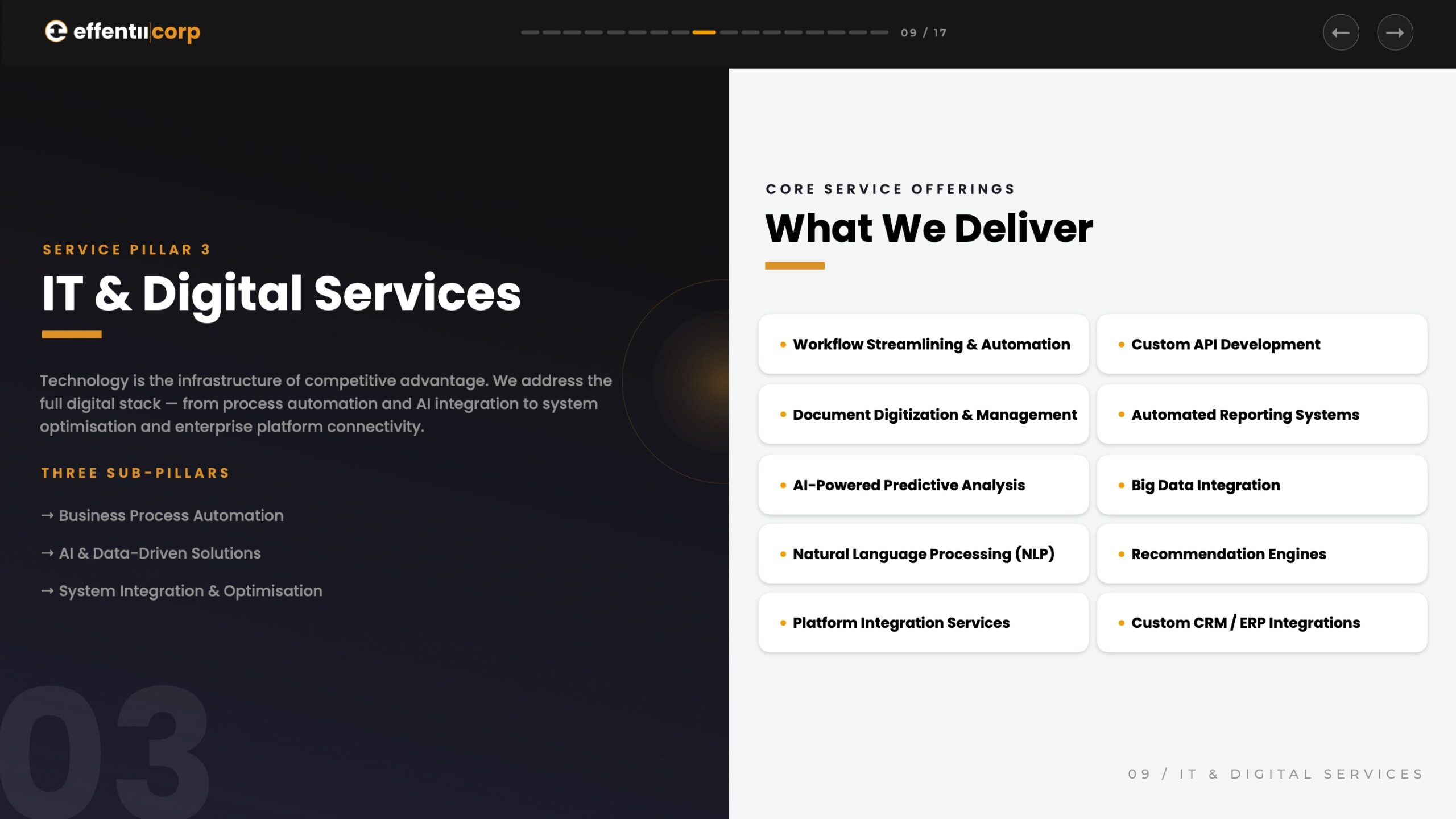
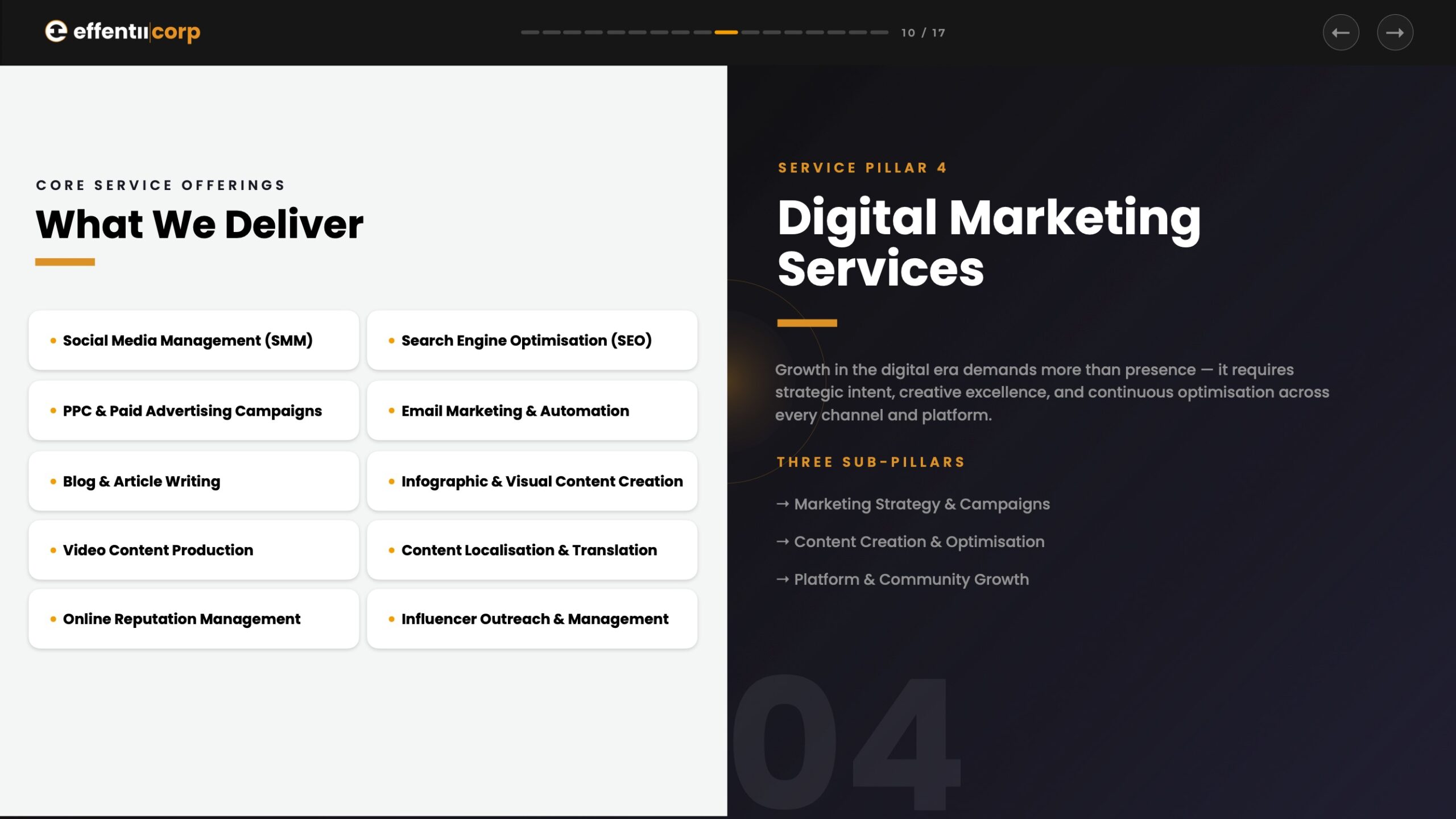
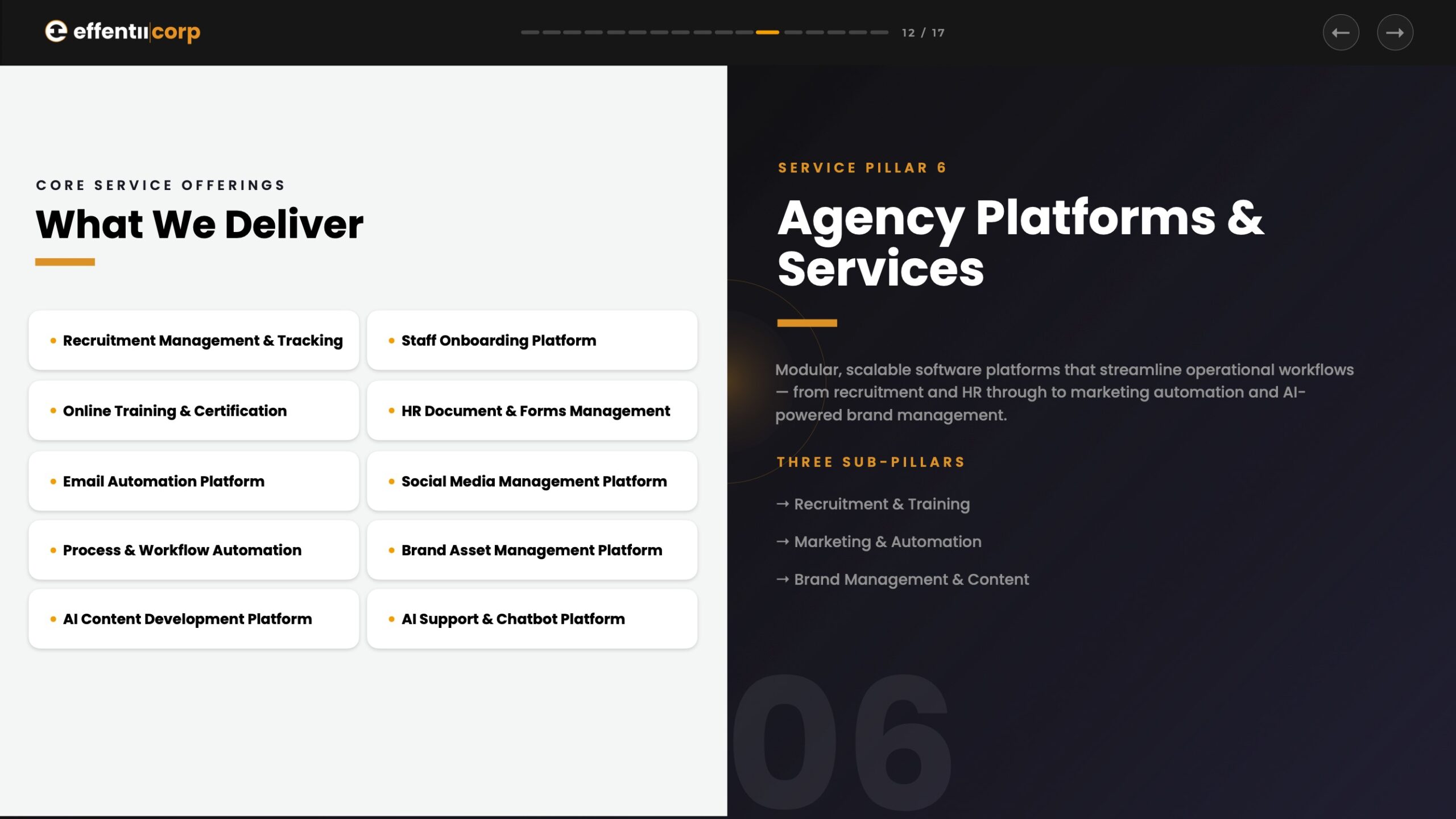
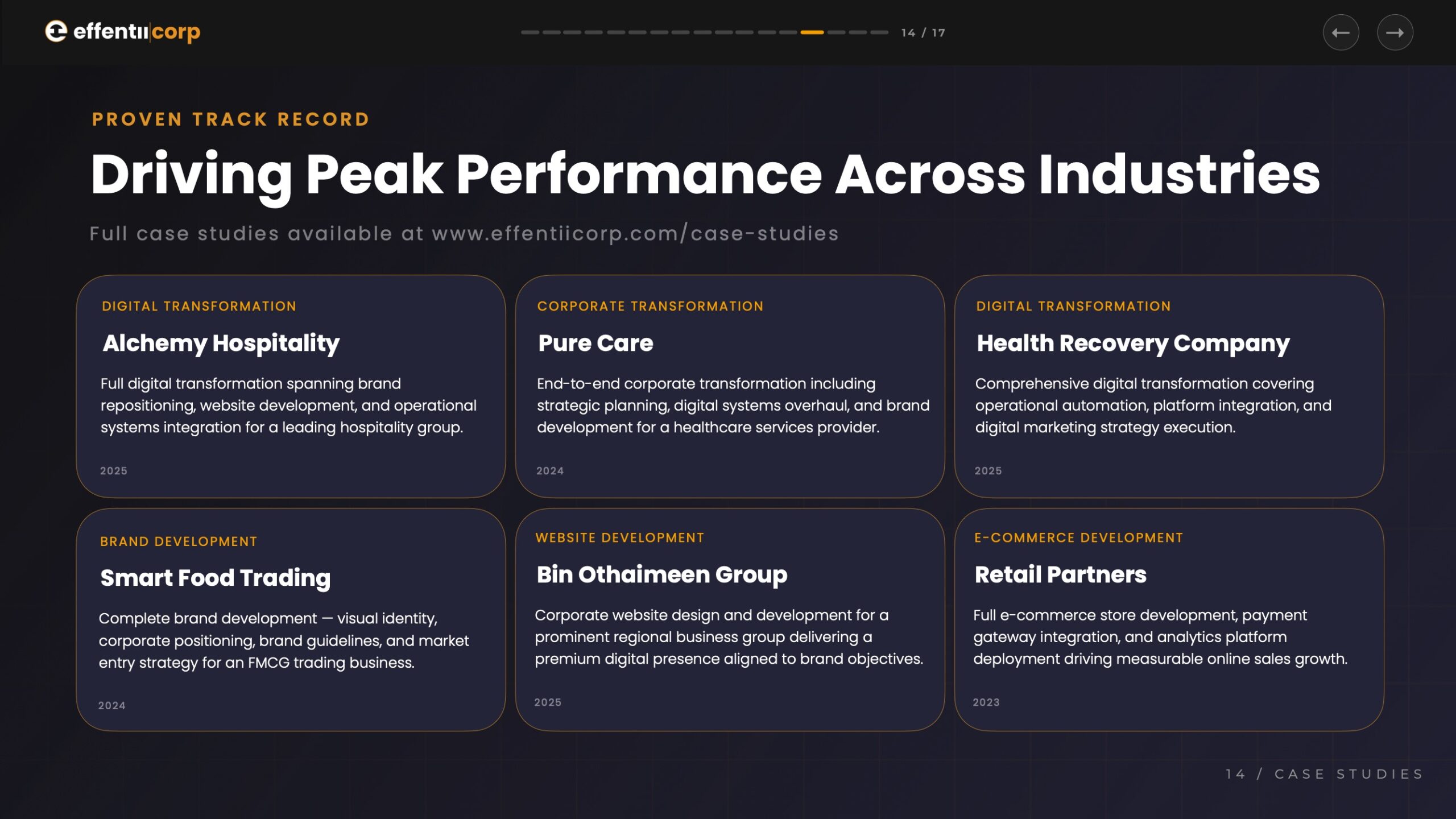
In an era defined by rapid digital transformation and evolving consumer expectations, retail technology adoption is no longer a discretionary investment—it is a critical imperative for survival and sustainable growth. For CEOs, Retail VPs, and Innovation Managers, the challenge has shifted from whether to adopt new technologies to how to implement them strategically to maximize ROI, enhance customer experience, and future-proof the business. This article provides a comprehensive roadmap for accelerating retail technology adoption, moving beyond simple digitization to build a resilient, agile, and data-driven enterprise primed for long-term success.
The Strategic Imperative of Retail Technology Adoption
The retail landscape is undergoing a seismic shift. The convergence of e-commerce, mobile commerce, and in-store experiences has created an “always-on” consumer who expects seamless, personalized, and immediate service. To compete, retailers must view technology not as a cost center but as the central nervous system of their operations. Strategic retail technology adoption integrates systems, unifies data, and automates processes to create a cohesive ecosystem. This holistic approach enables businesses to respond to market fluctuations with agility, predict consumer trends with precision, and unlock new revenue streams, thereby driving sustainable business growth.
Key Drivers Forcing the Pace of Adoption
Several powerful forces are accelerating the need for technological integration. First, heightened consumer expectations for convenience, personalization, and speed set a high bar for service delivery. Second, intensifying competition from digitally-native vertical brands and retail giants with vast R&D budgets pushes traditional retailers to innovate or risk obsolescence. Third, the rise of data as a critical asset means that companies failing to leverage analytics for decision-making are operating at a severe disadvantage. Finally, operational pressures, from supply chain volatility to labor optimization, demand smart, automated solutions.
Building a Future-Proof Retail Technology Stack
Accelerating retail technology adoption requires a deliberate, architectural approach to selecting and integrating tools. A future-proof technology stack is modular, scalable, and built on open APIs, allowing for flexibility as needs evolve.
Core Pillars of a Modern Retail Tech Stack
A robust stack rests on several interconnected pillars:
- Unified Commerce Platform: The foundation that integrates all sales channels (online, mobile, in-store) into a single system, providing a consistent inventory, customer, and order view. Solutions like Salesforce Commerce Cloud or Shopify Plus empower retailers to deliver a seamless omnichannel experience.
- Customer Data Platform (CDP): Centralizes first-party customer data from every touchpoint to build unified customer profiles, enabling hyper-personalized marketing and service. Platforms like Segment or Qualtrics CustomerXM are crucial for breaking down data silos.
- Advanced Analytics & AI: Tools that transform raw data into actionable insights. AI can forecast demand, optimize pricing dynamically, and manage inventory autonomously. Providers like SAS Viya offer sophisticated analytics capabilities.
- Supply Chain & Inventory Intelligence: Technologies such as RFID, IoT sensors, and predictive logistics software (e.g., Blue Yonder) provide real-time visibility and resilience, reducing stockouts and overstock.
- In-Store Experience Technologies: This includes mobile Point-of-Sale (mPOS), interactive kiosks, augmented reality (AR) for product visualization, and computer vision for frictionless checkout, as seen with solutions like Zebra Technologies.
A Framework for Successful Implementation and Adoption
Technology acquisition is only half the battle; successful implementation and organizational adoption determine the ultimate ROI. A phased, people-centric framework is essential.
Phase 1: Strategy Alignment & Stakeholder Buy-In
Begin by aligning technology initiatives with overarching business goals. Does the project aim to increase average order value, improve customer retention, or reduce operational costs? Secure executive sponsorship from the CEO and Retail VPs to ensure resource allocation and organizational priority. Clearly communicate the “why” to all stakeholders to foster buy-in from the outset.
Phase 2: Pilot, Measure, and Iterate
Avoid big-bang, high-risk rollouts. Instead, adopt an agile methodology: select a controlled pilot (e.g., one product category or a single store location), implement the technology, and define clear KPIs for success. Measure results rigorously, gather user feedback, and iterate on the solution before planning a full-scale deployment. This minimizes risk and allows for valuable learning.
Phase 3: Change Management & Training
This is often the most critical phase. Proactively manage change by involving end-users (store associates, warehouse staff) early in the process. Develop comprehensive, role-specific training programs and continuous support systems. Highlight how the technology makes employees’ jobs easier and more impactful, turning potential resistors into champions.
Phase 4: Integration, Scaling, and Continuous Optimization
Ensure new technologies are properly integrated with existing legacy systems to avoid creating new data silos. As you scale, continuously monitor performance against KPIs. The retail technology landscape is dynamic; build a process for regularly evaluating new tools and optimizing your stack to maintain a competitive edge.
Measuring ROI and Impact on Sustainable Growth
To justify ongoing investment, you must quantify the impact of retail technology adoption. Metrics should span financial, operational, and customer-centric dimensions.
- Financial Metrics: Revenue growth per square foot/channel, gross margin return on investment (GMROI), reduction in operational costs (labor, shrinkage, logistics).
- Operational Metrics: Inventory turnover rate, order fulfillment accuracy and speed, supply chain forecast accuracy.
- Customer-Centric Metrics: Customer Lifetime Value (CLV), Net Promoter Score (NPS), conversion rates across channels, personalization effectiveness.
Sustainable business growth is achieved when technology investments create a virtuous cycle: improved efficiency lowers costs, enhanced customer experience drives loyalty and revenue, and data-driven insights fuel more intelligent innovation.
Conclusion: Leading the Digital Evolution
Accelerating retail technology adoption is a continuous journey, not a one-time project. The leaders who will thrive are those who cultivate a culture of innovation, data literacy, and agility. They view technology as the engine for creating value at every touchpoint in the customer journey and every link in the operational chain. By following a strategic, phased framework and focusing on integration and human adoption, retail executives can transform their organizations, achieving not just incremental improvement but a fundamental leap toward resilient and sustainable growth. To discuss a tailored strategy for your organization’s digital transformation, contact our retail innovation specialists today.