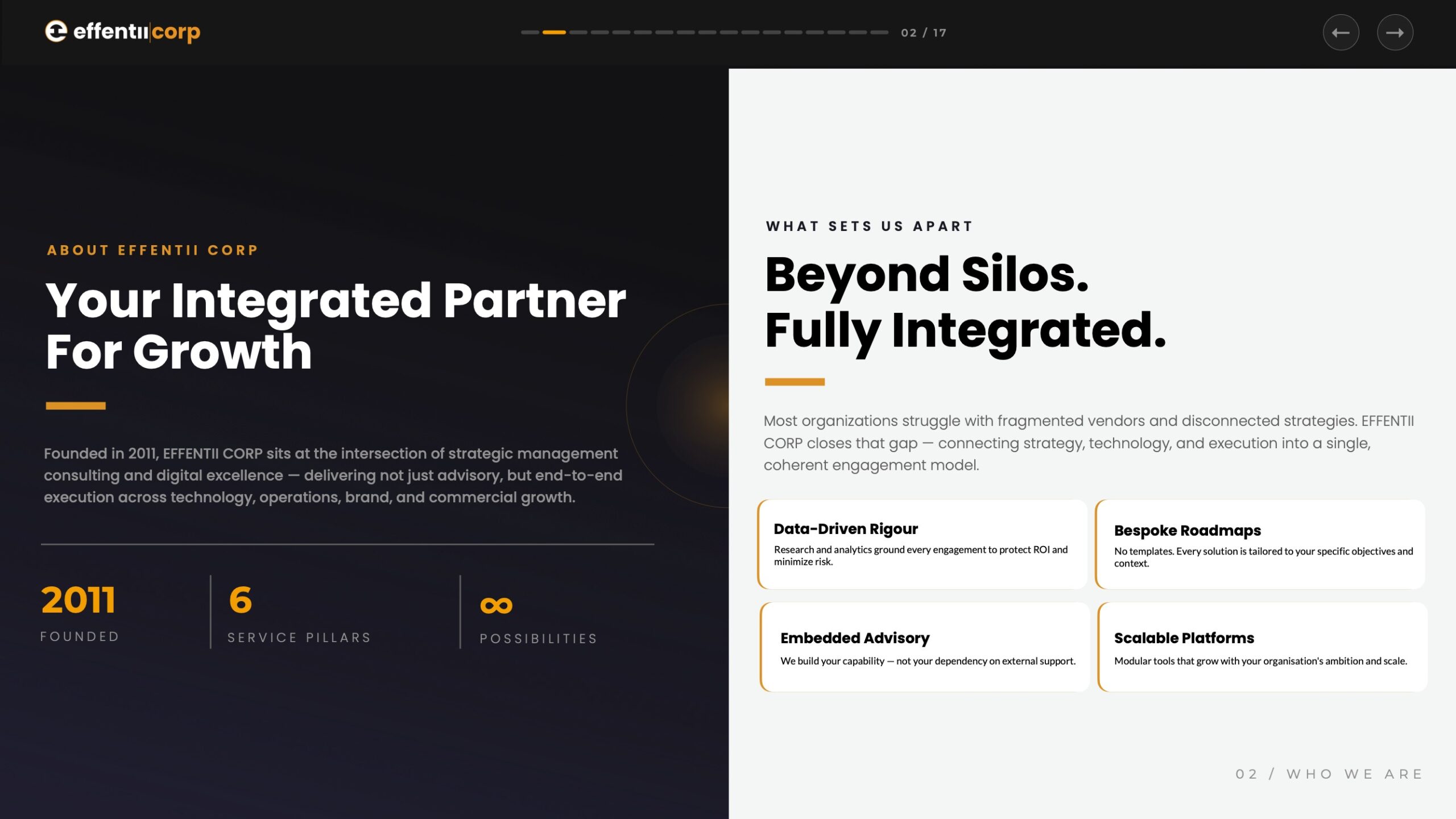
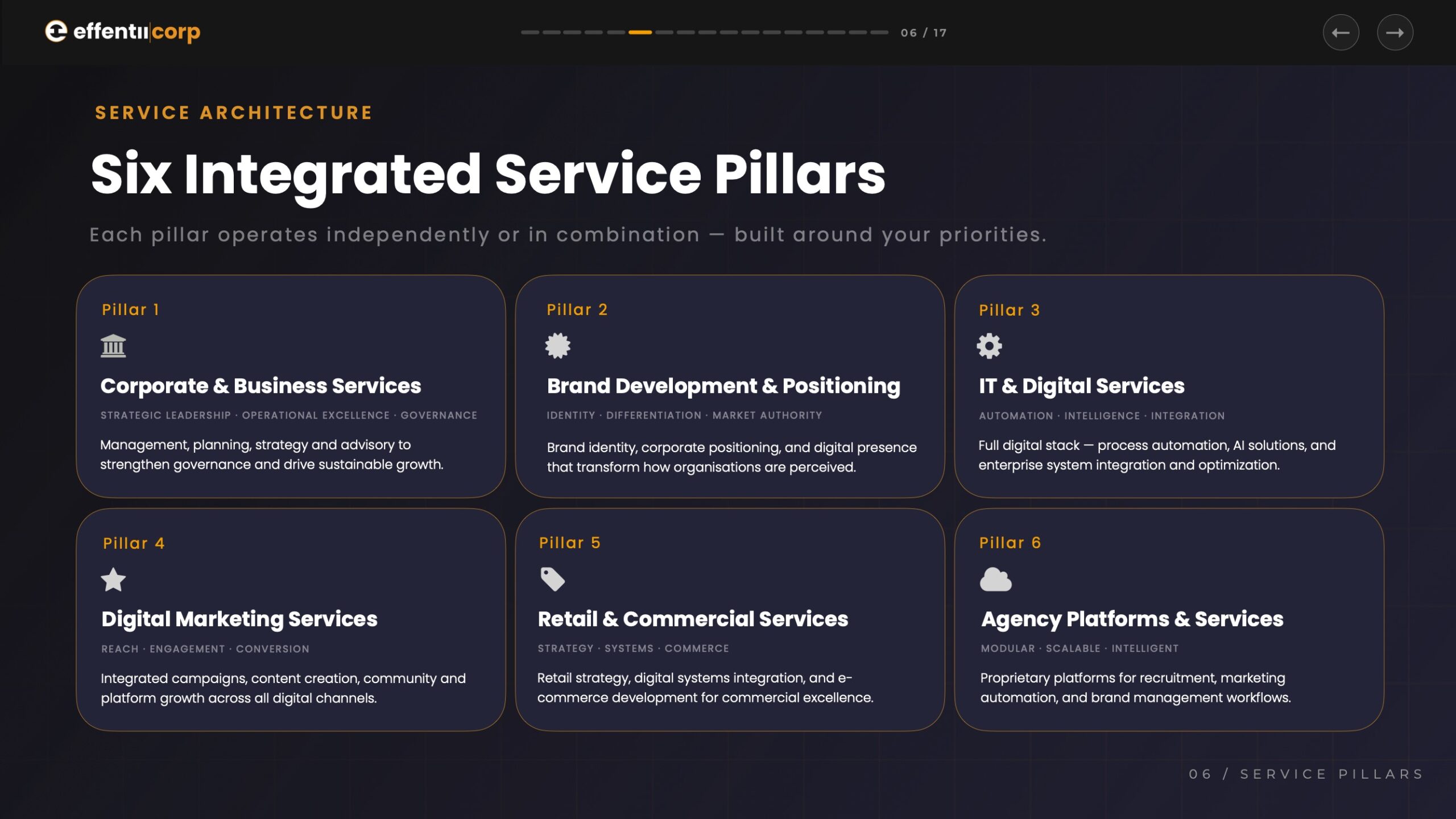
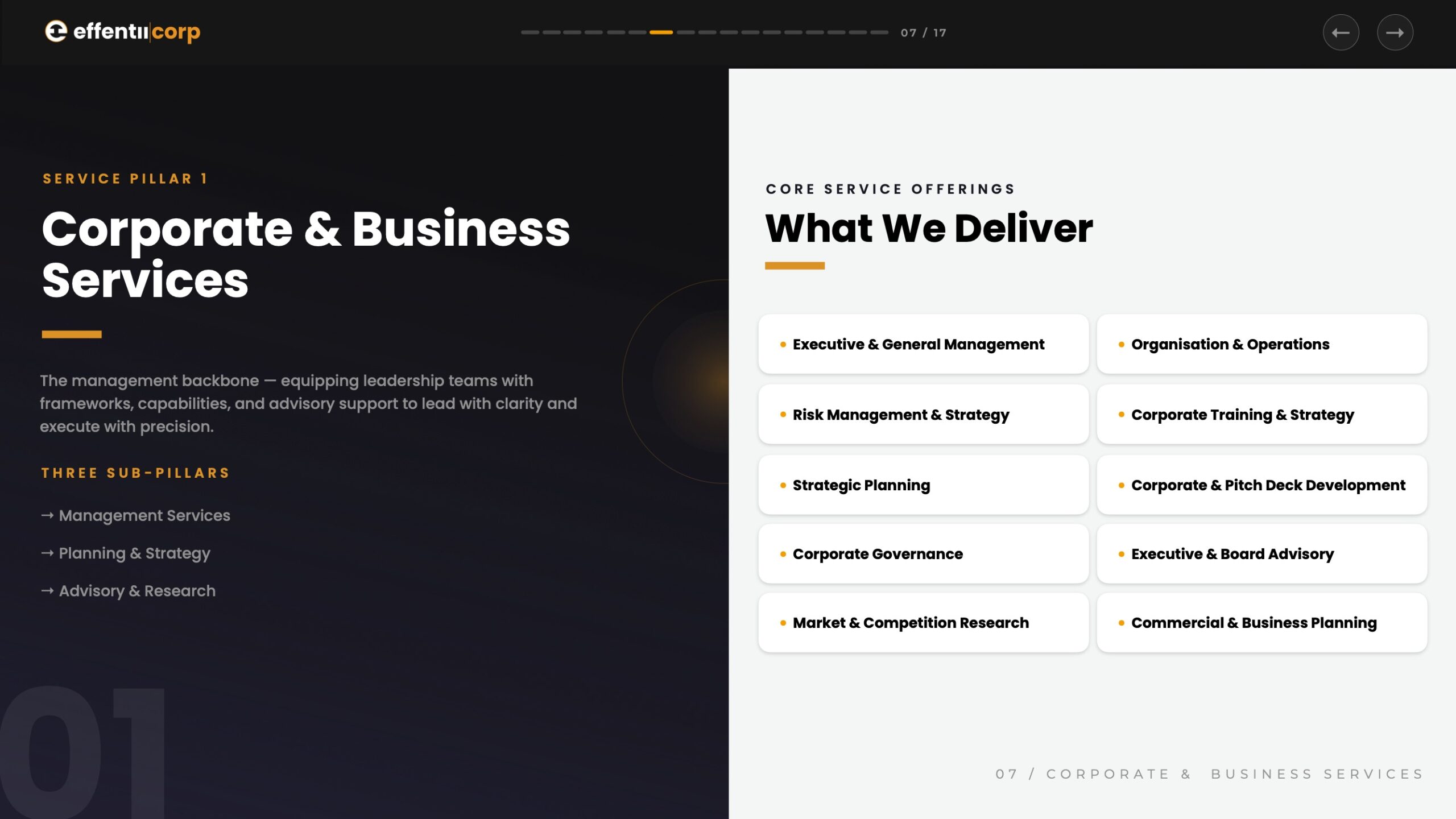
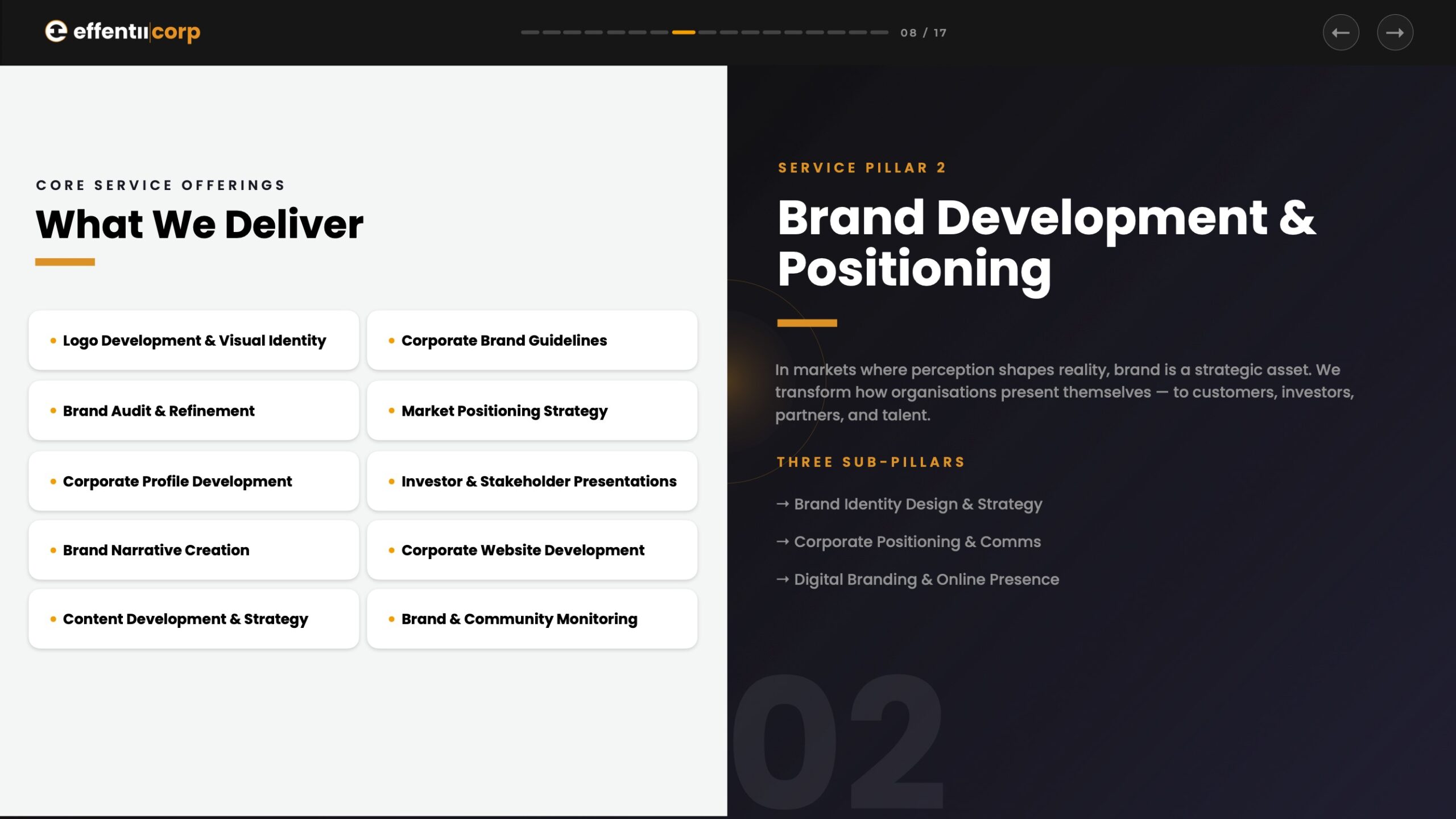
In order for businesses to prosper in the modern digital era, they must have a strong online presence. Businesses need to have a clear digital strategy in place in order to effectively reach and engage their target audience, given the growing dependence of society on technology and the internet. The purpose of this blog post is to offer insightful advice on how to create a successful digital strategy for your company. A comprehensive plan outlining how a business will use digital channels & technologies to accomplish its goals and objectives is known as a digital strategy.
It includes a wide range of topics, including social media, website development, content production, online marketing, & more. For various reasons, businesses need to have a digital strategy. First of all, it enables companies to connect with and effectively reach their target market. Businesses need to be well-represented online in order to engage with the growing number of individuals who use social media and the internet. In addition, a digital strategy aids companies in maintaining an advantage over rivals.
Businesses that do not adjust to the digital landscape risk falling behind in today’s cutthroat market. Businesses can use technology to their advantage & differentiate themselves from the competition by implementing a clear and well-defined digital strategy. Moreover, a digital strategy gives companies the ability to monitor & assess their performance online.
Businesses can learn a great deal about the behavior, preferences, and buying patterns of their customers with the help of data analytics tools. After that, this information can be utilized to enhance customer satisfaction, boost sales, & expand the business. It is essential to determine your company’s goals and objectives prior to creating a digital strategy. Establishing specific goals and objectives will guarantee that your efforts are in line with your overarching business objectives and serve as a roadmap for your digital strategy.
| Metrics | Data |
|---|---|
| Website Traffic | Increased by 50% after implementing digital strategy |
| Social Media Engagement | Increased by 75% after implementing digital strategy |
| Conversion Rate | Increased by 30% after implementing digital strategy |
| Customer Acquisition Cost | Reduced by 20% after implementing digital strategy |
| Revenue | Increased by 40% after implementing digital strategy |
Make sure you have a complete understanding of your company before determining your goals & objectives. Think about things like your intended market, market position, industry trends, & rivalry. You’ll be able to pinpoint areas that need work & prospects for advancement with this analysis. Setting SMART goals (specific, measurable, achievable, relevant, & time-bound) is possible once you have a firm grasp of your company.
For instance, your target might be to create 50 new leads a month via social media marketing or to boost website traffic by 20 percent over the course of the next six months. After defining your objectives, you can match them with your online plan. Establish which digital channels & strategies will assist you in reaching your objectives, then make a plan on how to carry them out successfully. Placing the customer at the center is one of the fundamental tenets of an effective digital strategy.
You can develop a customer-centric digital strategy that connects with your target audience and stimulates growth & sales by learning about their needs, preferences, and pain points. Start by gathering information about your target audience through market research to develop a customer-centric digital strategy. To learn about their demographics, interests, and online habits, employ techniques like social media listening, surveys, and interviews. You can then modify your digital strategy to suit your target audience’s needs once you have a firm grasp on who they are.
Provide content that is relevant to them, individualized, and addresses their problems. Utilize social media channels to interact and establish a rapport with your audience. Using a variety of digital channels, deliver first-rate customer care and support. You can enhance customer satisfaction, foster repeat business, & foster brand loyalty by centering your digital strategy around the needs of your customers. Optimizing a digital strategy and increasing return on investment (ROI) require data analytics.
Through the analysis of data, companies can acquire important knowledge about the behavior, preferences, and buying habits of their clientele. After that, this information can be utilized to optimize marketing campaigns and make well-informed decisions for improved outcomes. You should first set up tracking and analytics tools on your website & other digital channels in order to properly use data analytics. Data collection on website traffic, conversion rates, click-through rates, and other metrics will be possible as a result. After gathering data, examine it to find patterns, trends, and areas that could use improvement.
One way to do this would be to allocate more resources to a marketing campaign that you see is driving a high conversion rate. Conversely, if you see that a particular channel is underperforming, you can adjust it or redirect resources to channels that are working better. Businesses may increase ROI, streamline their digital strategy, & make data-driven decisions for ongoing development by utilizing data analytics.
The reigning content in today’s digital world. Developing valuable and captivating content is crucial for capturing the attention of your target market, fostering brand loyalty, and increasing conversions. Finding out what your target audience needs, wants, and problems are will help you create content that will captivate them.
To find the kind of content that appeals to them, conduct market research and acquire information. Employ techniques like social media monitoring and keyword research to find popular subjects and keywords that appeal to your target market. After you’ve determined what kind of material appeals to your audience, concentrate on producing valuable and high-quality content. A variety of formats, including podcasts, infographics, videos, and blog posts, can be used to accommodate various tastes. Make sure the information in your content is educational, well-researched, & addresses the issues that your audience is facing.
Also, include pertinent keywords, meta tags, & headings in your content to further optimize it for search engines. You’ll see an increase in search engine visibility and organic traffic as a result of this. Businesses may engage their target audience, foster brand loyalty, & position themselves as thought leaders in their sector by producing captivating content. A successful digital strategy must maximize your online presence.
Through search engine optimization (SEO), pay-per-click (PPC) advertising, and social media marketing, companies can improve their online presence, attract more customers, & produce leads. Optimizing your website & content for search engines is known as search engine optimization (SEO). Businesses can raise the search engine ranking and increase organic traffic to their websites by using pertinent keywords, meta tags, & headings. In order to boost search engine rankings, businesses can also optimize the user experience, mobile friendliness, and loading speed of their websites.
Businesses can display ads on other websites & search engine results pages by using pay-per-click (PPC) advertising. Businesses may guarantee that their ads are seen by their intended audience by placing bids on pertinent keywords. PPC advertising has the potential to be very successful at bringing in targeted traffic and producing leads, particularly when paired with strong landing pages & persuasive ad copy. Using social media platforms to market your company, interact with customers, and increase traffic is known as social media marketing. Businesses can find the social media channels most relevant to their target market and produce content that appeals to them by developing a social media strategy.
Conversions, brand awareness, and targeted ad campaigns can all be achieved with social media marketing. Through the effective use of SEO, PPC, & social media marketing strategies, businesses can enhance their online visibility, drive traffic, and produce leads. Using mobile technology to its full potential is crucial for reaching & converting more customers in today’s mobile-first world. Businesses must make sure their digital strategy is optimized for mobile devices and mobile-friendly, given the rising popularity of smartphones and tablets. Making your website mobile-friendly is the first step towards maximizing the potential of mobile technology.
Make sure that your website works well on mobile devices, loads quickly, & offers a seamless user experience. Also think about adding mobile-specific features like mobile payment choices, forms that are optimized for mobile devices, & click-to-call buttons. Consider creating a mobile application for your company as well.
Your customers may enjoy a more convenient and customized experience with your mobile app. With the ability to interact with your customers, send push notifications, and offer special discounts, it can also be an effective marketing tool. Businesses may increase customer reach & conversion, enhance customer satisfaction, boost sales, and expand by utilizing mobile technology. It’s imperative to adopt new technologies if you want to keep your company ahead of the curve and secure its future.
Because technology is advancing so quickly, businesses must constantly adapt and adopt new technologies in order to stay competitive. Acquire knowledge of the most recent developments and trends in your field before embracing emerging technologies. Keep yourself informed by reading trade journals, attending industry conferences, and following thought leaders. Think about how you can incorporate emerging technologies into your digital strategy after you’ve determined which ones are pertinent to your company.
For instance, chatbots can offer immediate customer support, virtual reality (VR) and augmented reality (AR) can create immersive experiences, and artificial intelligence (AI) and machine learning can personalize customer experiences. Businesses can maintain a competitive edge, increase operational effectiveness, and offer their clients cutting-edge solutions by adopting emerging technologies. The execution of a successful digital strategy requires a robust digital team. People with specialized knowledge in web development, content production, social media marketing, data analytics, & other fields make up a digital team. The first step in assembling a formidable digital team is determining the knowledge and abilities needed for your digital plan.
Assess if hiring freelancers or outside agencies to complete some tasks would be a more economical option or if you need to have staff on staff. It’s important to find candidates for your digital team that are enthusiastic about digital marketing, have a solid grasp of the business, and have the required knowledge & experience. Also, search for people who are creative, flexible, and eager to learn new things and keep up with emerging trends and technology. Companies may efficiently implement their digital strategy, produce outcomes, and keep one step ahead of the competition by assembling a strong digital staff.
For ongoing success and improvement, measuring and fine-tuning your digital strategy is essential. You can pinpoint areas for improvement, make data-driven choices, and fine-tune your plan for better outcomes by routinely reviewing and assessing your digital initiatives. The first step in measuring your digital strategy is to establish key performance indicators (KPIs) that correspond with your company’s aims and objectives. Metrics like click-through rates, conversion rates, website traffic, social media engagement, and more can be included in these KPIs.
Utilize analytics tools to monitor and assess your performance after you have established your key performance indicators. Analyze your data frequently to find trends, patterns, and areas that could use improvement. If you observe, for instance, that a specific marketing campaign is not producing the expected outcomes, you can modify it or redirect resources to campaigns that are working better. You should also ask your target audience and customers for feedback.
To find out how people view your brand, goods, and services, conduct interviews, surveys, and social media listening. Make adjustments based on these suggestions to give customers a better experience. Businesses may consistently boost productivity, achieve better outcomes, and maintain an advantage over rivals by monitoring and adjusting their digital strategy. In conclusion, for businesses to prosper in the current digital era, they must have a clearly defined digital strategy. Businesses can successfully reach & engage their target audience, drive sales and growth, & stay ahead of the competition by realizing the value of a digital strategy and putting the advice and insights in this blog post into practice. Therefore, do not delay any longer and begin creating your successful digital strategy right now!
If you’re interested in learning more about the impact of digital strategy on retail sales, you might want to check out this article on Effentii Corp’s website. It discusses how Lidl has achieved double-digit sales growth across Europe by leveraging digital strategies. The article highlights the importance of embracing technology and online platforms to drive business growth in the retail industry. To read more about Lidl’s success story, click here.